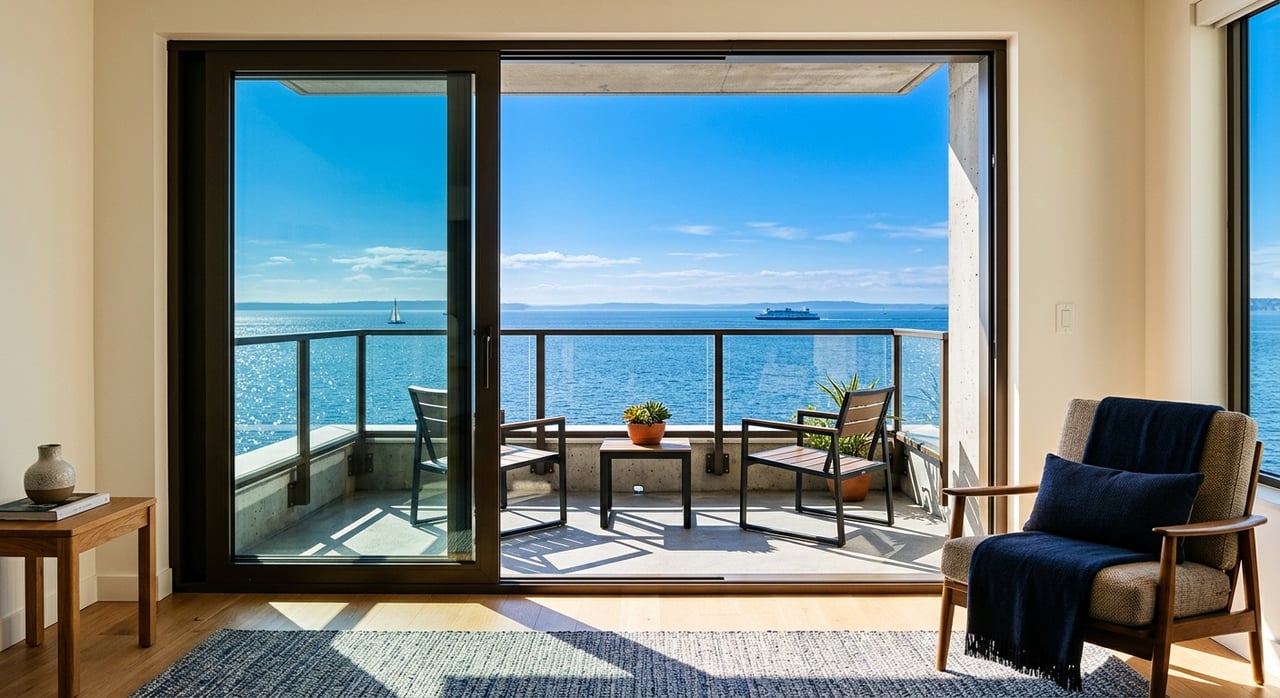
If you picture waterfront living as one quiet, private experience, St. Petersburg may surprise you. Living on the water here can mean skyline views from a downtown condo, a canal-front home in a residential pocket, or easy access to bayside parks where the shoreline is part of daily life. If you are wondering what that lifestyle really feels like, this guide will help you understand the benefits, tradeoffs, and day-to-day rhythm of living on the water in St. Pete. Let’s dive in.
St. Petersburg Is Built Around Water
St. Petersburg is not just near the water. It is shaped by it. The city sits on a peninsula, borders both Tampa Bay and the Gulf, and includes about 244 miles of shoreline across roughly 60 square miles.
That matters because waterfront living here is not limited to a few luxury streets. In St. Pete, the waterfront is also public-facing. The downtown waterfront, in particular, is a major city asset tied to parks, events, dining, sports, culture, and everyday leisure.
Waterfront Living Means Different Things
One of the biggest surprises for buyers is that there is no single St. Pete waterfront lifestyle. Your experience will depend a lot on where you live and how you want to spend your time.
Downtown offers the most urban version of waterfront living. Based on the city’s zoning patterns, the bayfront core tends to be more condo-heavy and mixed-use, while other waterfront areas feel more residential and detached-home oriented.
Official city district maps place waterfront or waterfront-adjacent communities in areas such as Coquina Key, Old Southeast, Broadwater, Greater Pinellas Point, Isla del Sol, Point Brittany, Bayway Isles, Shore Acres, Snell Isle, and Venetian Isles. Some of these areas feel more connected to canal living or island-style access, while others offer a quieter residential setting.
Downtown Waterfront Life
If you want a more walkable, active routine, downtown St. Pete stands out. The waterfront park system stretches from the Vinoy area down toward the Salvador Dalí Museum area, creating a long public edge where green space and bay views are part of everyday life.
This part of the city tends to feel lively rather than secluded. You may be close to promenades, museums, dining, public gathering spaces, and regular community activity. For many buyers, that energy is a major part of the appeal.
Getting Around Downtown
Public transit adds to the convenience. PSTA’s Downtown Looper is free and runs about every 15 to 20 minutes, connecting places like the Pier, museums, Beach Drive dining, BayWalk, the Saturday Morning Market, USF St. Petersburg, and Bayfront-area destinations.
The SunRunner also links downtown St. Petersburg with St. Pete Beach and runs seven days a week. It includes bike racks, which makes it easier to pair waterfront living with a more car-light routine.
What the Lifestyle Feels Like
Downtown waterfront living often means you can build more of your day around walking, biking, transit, and public spaces. You may not have the same level of privacy as a tucked-away canal home, but you gain easy access to the shoreline and a strong sense of connection to the city.
That trade can be a great fit if you enjoy being near events, restaurants, parks, and cultural destinations. It may be less ideal if your top priority is peace, space, and low activity levels on weekends.
Residential Waterfront Neighborhoods
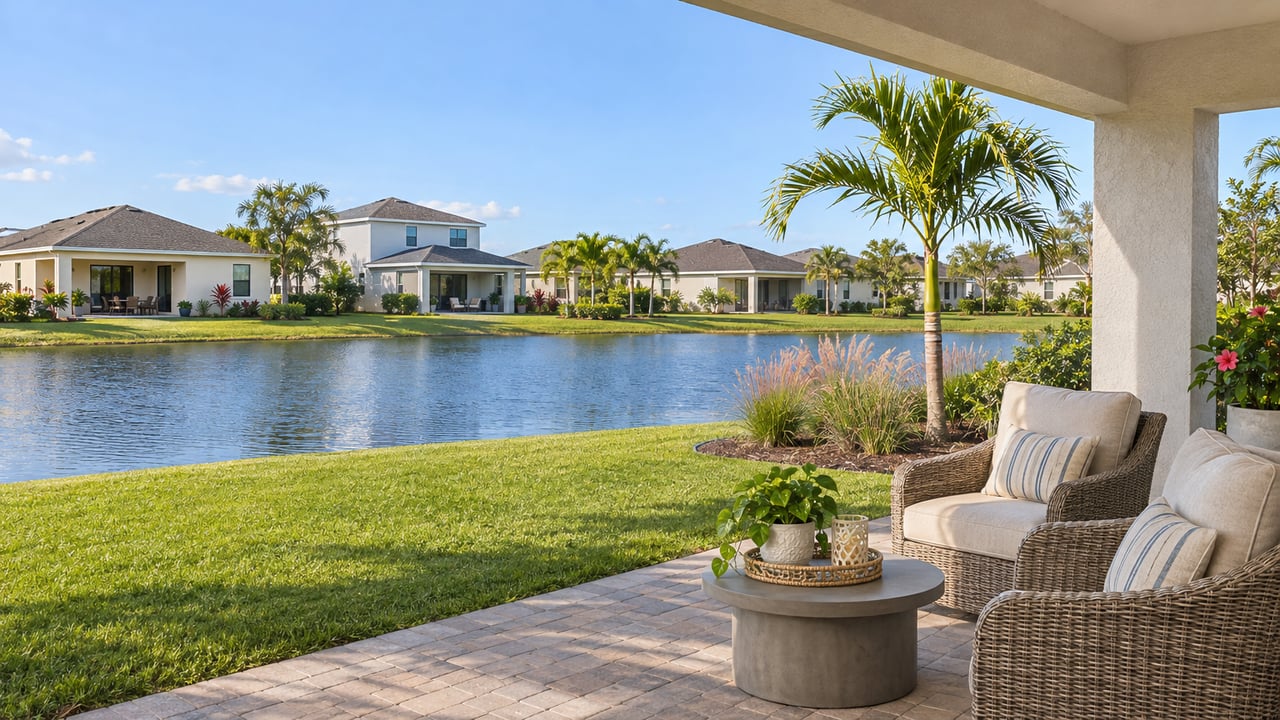
Outside downtown, the experience often becomes more residential and more home-centered. In these pockets, waterfront living may mean canals, bayous, island-adjacent streets, or homes near the shoreline rather than directly in the urban core.
These areas can offer a quieter rhythm, but they often come with more driving and more personal planning around storm readiness. The lifestyle may feel less walkable overall, depending on the exact location.
A More Home-Based Routine
In residential waterfront areas, your daily life may revolve more around your property, your street, and nearby water access points. Instead of stepping out into a dense mixed-use district, you may be using your car more for errands and dining.
That is not a downside for everyone. Many buyers prefer a setting that feels calmer and more residential while still giving them proximity to the water.
Parks and Public Water Access Matter
A big part of living on the water in St. Pete is access to public outdoor space. The city maintains more than 150 parks, 17 recreation facilities, nine pools, and more than 70 athletic fields. The city has also cited data showing that 75% of residents live within a 10-minute walk of a park.
That park access shapes the waterfront lifestyle in a very real way. Even if your home is not directly on the shoreline, you may still spend a lot of time near the water because public space is such a strong part of the city’s layout.
The Pier and Waterfront Activity
The Pier district is a good example of how St. Pete treats the waterfront as a shared community space. City planning notes that public activities there are often free, and the area was designed with pedestrian access in mind, including features like a splash pad and restrooms.
The city also shifted or reduced parking near the water’s edge in that district to improve the pedestrian experience. For residents, that means better walkability at the waterfront, but it can also mean more planning when driving to busy areas.
Boating Is Part of the Lifestyle
For some buyers, living on the water is really about boating access. In St. Pete, boating is part of daily life for many residents, but it is not a free-for-all.
The city identifies public boat ramps at Crisp Park, Demens Landing, Grand View, Jungle Prada, and Maximo Park. City rules also make clear that these ramps are for launching and retrieving boats, not for long-term storage or casual mooring to city property.
What Buyers Should Keep in Mind
If boating is high on your list, the right location matters. Some areas make it much easier to keep boating as a regular part of your routine, while others may still require more coordination around launching, permits, docking rules, and busy ramp conditions.
In other words, being near the water and having easy boating logistics are not always the same thing. It helps to think through how you actually plan to use the water before choosing a neighborhood or home type.
The Biggest Tradeoffs to Expect
Waterfront living in St. Petersburg can be beautiful and rewarding, but it also asks more from you. The biggest factors to think through are flooding, storm surge, insurance needs, erosion concerns, and access issues during busy times.
These are not minor details. They affect both your budget and your day-to-day experience.
Flooding and Storm Planning
Pinellas County states that everyone in the county is at risk for flooding. The county also makes an important distinction between flood zones, storm-surge maps, and evacuation zones, since they are not the same thing.
If a home is in a FEMA high-risk flood zone and has a federally backed mortgage, flood insurance is required. The county also warns that even a few inches of water can cause major damage, and storm surge can push water shoreward quickly.
Risk Is Changing Over Time
Flood risk is not static. Pinellas County’s 2026 Flood Vulnerability Assessment says sea level rise is expected to increase flooding in more areas, raise the frequency of tidal or sunny-day flooding in low-lying parts of the county, and make roads and critical facilities more vulnerable.
The city has also worked on shoreline stabilization in places like Lassing Park through living-shoreline projects. That reflects a broader reality of waterfront ownership here: enjoying the shoreline also means understanding how the shoreline changes.
Crowds, Parking, and Events
Another tradeoff is convenience. Some of St. Pete’s most attractive waterfront areas are also the most active, especially on weekends or during major events.
Because parts of the waterfront were intentionally designed to favor pedestrians and public access, parking can feel tighter in the core. If you love a lively atmosphere, that may feel like part of the charm. If you prefer quick in-and-out access, it is something to weigh carefully.
Who Waterfront Living Fits Best
Living on the water in St. Petersburg usually works best when your expectations match the setting. If you want a highly walkable, public-facing waterfront with culture and activity, downtown may feel like a great fit.
If you want a more residential feel, a canal or island-adjacent neighborhood may make more sense. If your top priorities are quiet surroundings and a home-centered routine, a less urban waterfront pocket may better match your lifestyle.
The key is knowing that St. Pete often trades a purely private waterfront fantasy for a more layered experience. You get views, parks, boating access, and connection to the shoreline, but you also take on storm planning, access tradeoffs, and location-specific lifestyle differences.
If you are thinking about buying in the Tampa Bay area and want help comparing waterfront lifestyle options with your budget and goals, the team at Diaz Group at eXp Realty is ready to guide you with clear communication and local insight.
FAQs
What is waterfront living like in downtown St. Petersburg?
- Downtown waterfront living in St. Petersburg is typically more walkable, active, and condo-oriented, with close access to parks, the Pier, museums, dining, transit, and regular public events.
What kinds of waterfront neighborhoods are in St. Petersburg?
- St. Petersburg includes a mix of waterfront and waterfront-adjacent areas such as Coquina Key, Old Southeast, Broadwater, Greater Pinellas Point, Isla del Sol, Point Brittany, Bayway Isles, Shore Acres, Snell Isle, and Venetian Isles, each with a different feel.
Is boating easy when living on the water in St. Petersburg?
- Boating can be a real part of daily life in St. Petersburg, but ease of access depends on your location, nearby launch options, and city rules for ramps, docking, and use.
What flood risks should buyers know about in St. Petersburg?
- Pinellas County says everyone in the county is at risk for flooding, and buyers should understand flood zones, storm-surge risk, evacuation zones, and possible flood insurance requirements before choosing a home.
Is St. Petersburg waterfront living walkable?
- Some parts are very walkable, especially downtown near the bayfront, while more residential waterfront areas may be quieter but more car-dependent.
Are St. Petersburg waterfront areas always quiet?
- No. Some waterfront areas, especially near downtown and major public spaces, can be busy during weekends, festivals, and events because the city’s waterfront is designed to be widely used and enjoyed.