Trying to get a clear read on St. Pete’s market? You are not alone. Inventory, prices, and buyer behavior shift with the seasons and by property type, which can make planning your move feel overwhelming. In this guide, you will learn how to read the key metrics, what features drive value in St. Petersburg, and which homes tend to sell fastest so you can make smart, confident decisions. Let’s dive in.
How to read the St. Pete market
The core metrics that matter
- Median sale price and list price.
- Active inventory and months’ supply of homes.
- New listings versus pending and closed sales.
- Median days on market and list-to-sale price ratio.
- Price per square foot, cash-buyer share, and investor activity.
- Inventory by property type: single-family, condo, townhome.
- New construction permits and completions.
- Rental market signals: median rent and vacancy.
What those signals mean
- Months’ supply below roughly 3 months points to a seller’s market. Three to six months looks more balanced, and above 6 months favors buyers.
- Rising prices with falling inventory and short market times suggest strong demand. If days on market climb while prices rise, pricing or condo-specific issues may be at play.
- A high share of condos can pull down citywide medians if condos take longer to sell. Always compare condo trends to single-family trends.
- More cash or investor buyers can lead to faster sales and stronger pricing, especially for updated homes in walkable or waterfront areas.
Inventory dynamics in St. Petersburg
St. Pete’s mix includes older single-family neighborhoods, mid‑century subdivisions, and a large downtown and waterfront condo base. Infill construction and townhome projects add choices in certain corridors, especially near urban amenities. This mix means inventory can feel tight in single-family while condos show more selection.
Seasonality matters. Winter through spring is often the busiest period as relocations, snowbird moves, and tax-season planning kick in. Inventory can tighten quickly in late winter and early spring, so watching 30-, 60-, and 90‑day trends helps you act on momentum.
Investor interest influences entry-level supply. When investors buy rentals or short-term rental candidates, fewer affordable homes reach owner-occupants. Lending conditions also matter. Higher mortgage rates can slow buyer traffic and add days on market, while lower rates can compress inventory.
Pitfalls to watch in the data
- Condo buildings with pending litigation or special assessments may linger on the market.
- Seasonal listing bursts can skew a single-month snapshot; check year-over-year and 12‑month rolling trends.
- Off‑market or withdrawn listings create “shadow inventory.” County records can reveal activity not visible in the MLS.
Prices: how value is set
Price tiers and demand patterns
- Entry level: Smaller single-family homes and compact condos often draw heavy interest from first‑time buyers and investors. Clean, updated properties can move quickly when priced right.
- Mid‑market: Most local transactions fall here. Trade‑up buyers look for more space and modern systems across popular east and south St. Pete neighborhoods.
- Premium and waterfront: Snell Isle, Historic Old Northeast, Shore Acres, Pasadena area, and waterfront condos command premium pricing with higher cash-buyer rates. Flood zones and insurance costs are key factors.
Features that command premiums
- Waterfront access, views, or boat access.
- Walkability to downtown, arts districts, marinas, beaches, and dining.
- Updated kitchens and baths, open floor plans, and inviting outdoor spaces.
- Hurricane‑ready upgrades: impact windows and doors, newer roofs, and structural improvements.
- Practical systems: newer HVAC, updated electrical, and functional parking or garage space.
Smart pricing strategies for sellers
- In competitive segments, accurate pricing can spark multiple offers and lift your final sale price.
- For condos, account for HOA reserves, master insurance, and any assessments. Buyers discount uncertainty.
- If activity slows, use recent neighborhood comps and days-on-market trends to set expectations and adjust quickly.
What moves fastest in St. Pete
Property types that tend to sell quicker
- Turnkey single‑family homes near downtown or waterfront amenities.
- Updated condos in financially sound associations with transparent reserves and parking.
- Homes with rental or ADU potential where allowed.
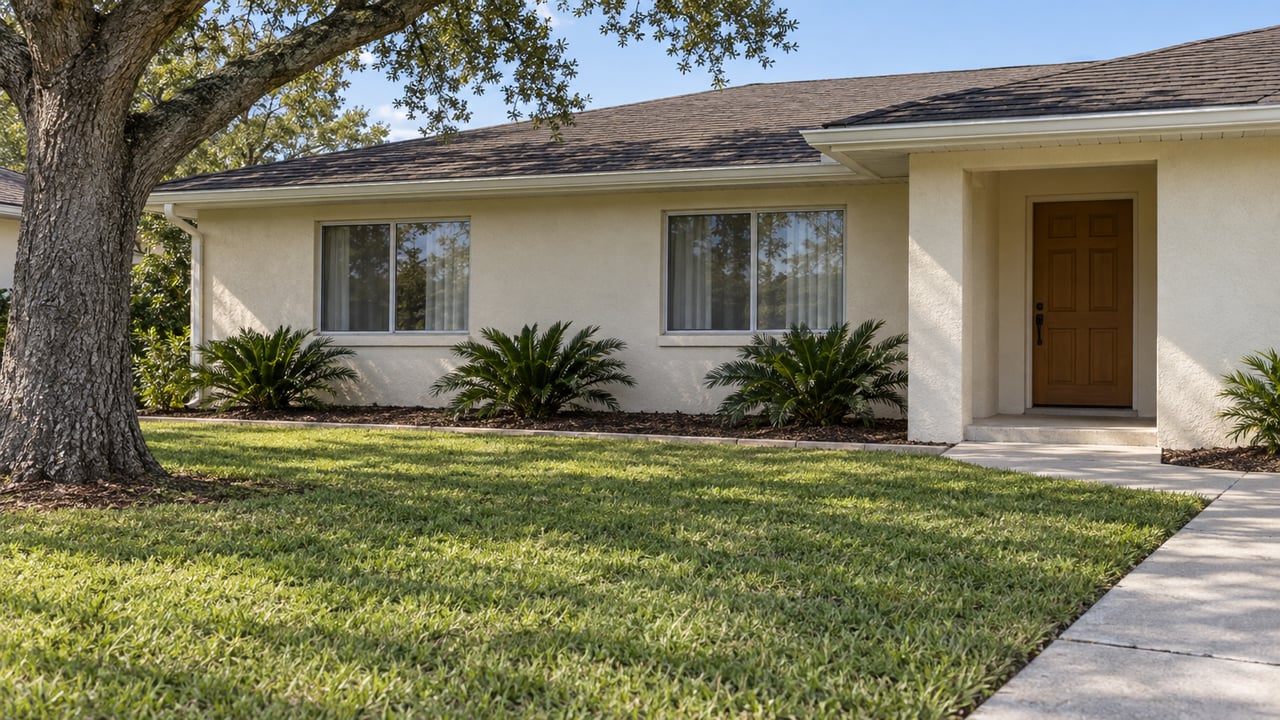
- Single‑level layouts and low‑maintenance yards that appeal to downsizers.
Renovations with the best impact
- Kitchens and bathrooms with efficient layouts and modern finishes.
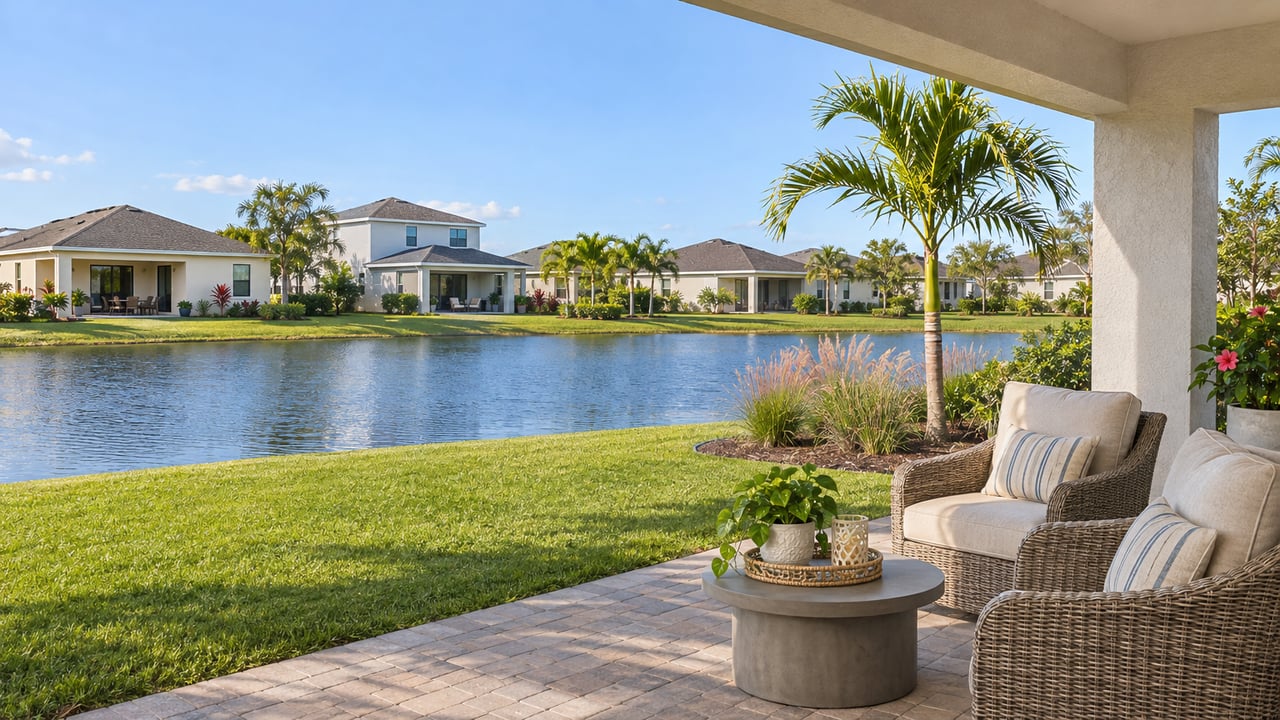
- Outdoor living: screened porches, shaded patios, and Florida‑friendly landscaping.
- Hurricane upgrades: impact openings and reinforced garage doors.
- Energy and systems: newer A/C, insulation, and durable exterior materials.
Marketing that works locally
- Showcase walkability, arts and dining, marinas, and beach proximity in your description.
- Use high‑quality exterior, interior, and aerial photos for view or waterfront homes.
- Provide documents up front: permits, warranties, and HOA financials for condos. Transparency builds trust and reduces friction.
Local demand drivers to watch
Buyer demand in St. Pete comes from retirees seeking cultural amenities, young professionals near downtown and arts districts, families focused on neighborhood fit, investors in long‑term or seasonal rentals, and second‑home buyers. Each group evaluates features differently, which shapes what sells quickly.
Regional jobs and commuting options boost demand. Access to Tampa, Clearwater, and the airport supports relocation activity. Connectivity via I‑275 and key corridors can influence neighborhood preference for buyers with daily commutes.
Neighborhoods vary widely by housing type and feel. Downtown and the Warehouse Arts District lean condo and urban living. Historic Old Northeast and Snell Isle feature established homes with premium pricing. Shore Acres, Crescent Lake, Gulfport, Pasadena, Tyrone, and parts of Lealman offer a range of options across price points and home ages.
Risks and realities that affect deals
Flood risk is part of coastal living. FEMA flood zones and local elevation influence mortgages and insurance. Always confirm the flood zone for a specific property and estimate insurance early in your process.
Insurance costs can be significant, especially near the water and in older buildings. HOA master policies and reserves impact condo assessments and buyer confidence. Recent premium trends can sway affordability in certain segments.
Short‑term rentals require local compliance. City rules and HOA bylaws may limit stays or require permits. If you plan to rent seasonally, verify the latest city rules and your association’s policies before you buy.
For older homes, check permitting and disclosures. Florida sellers must disclose material facts, including roof age and known issues. Confirm that prior renovations were permitted and closed properly.
Buyer playbook: compete and protect
- Get recent, neighborhood‑level comps and days-on-market trends before touring.
- Estimate wind and flood insurance early, especially for waterfront and low‑lying areas.
- If you love a home, move fast with a clean, complete offer and flexible timelines.
- Ask for documentation on major systems, hurricane upgrades, and any permits.
- For condos, review HOA financials, reserves, and any special assessments.
Seller playbook: list with confidence
- Focus on visible, durable improvements: kitchens, baths, curb appeal, and hurricane hardening.
- Price to the most recent local comps and segment conditions, not just citywide medians.
- Prepare documents: permits, warranties, and for condos, recent budgets and reserve studies.
- Stage for Florida living. Highlight outdoor spaces and natural light.
- Use video and high‑quality media to reach relocation and remote buyers.
Your next step
If you want a clear plan based on your property type and neighborhood, we are here to help. From pricing strategy to video marketing and remote closings, our team makes your next move simpler and more predictable. Get a custom valuation, an insurance and flood‑zone check, and a step‑by‑step timeline tailored to you. Connect with the Diaz Group at eXp Realty to get your free home valuation and marketing plan.
FAQs
How long are homes taking to sell in St. Petersburg?
- Check recent median days on market for your neighborhood and property type, using the last 30 to 90 days for the clearest read.
Are condos selling slower than single‑family homes in Pinellas?
- Often yes, because condo financing, insurance, and HOA factors add complexity, so compare condo trends separately from single‑family.
How do flood zones affect buying in St. Pete?
- Flood zones can change loan requirements and insurance costs, so verify the specific parcel’s zone and get quotes early in your search.
What updates matter most before listing in St. Petersburg?
- Focus on kitchens, baths, hurricane‑resistant features, curb appeal, and clean mechanicals like roof and A/C to boost showings and offers.
Can I use a St. Pete home for short‑term rentals?
- It depends on city rules and your HOA; confirm local permitting requirements and association restrictions before you buy or list.