If you are getting ready to sell a waterfront home in Apollo Beach, you are not just listing a house. You are presenting a lifestyle tied to the water, the dock, and the way the property feels in person and online. That can feel like a lot to manage, but the right prep can help your home make a stronger first impression and answer buyer questions before they become concerns. Let’s dive in.
Why waterfront presentation matters
Apollo Beach is known as a growing waterfront community in Hillsborough County, with boating and other outdoor activities shaping how people experience the area. For many buyers, that means they are looking at more than square footage and bedroom count. They are also paying attention to how easily the home connects to the water.
That focus can affect value. Zillow's 2026 research found that waterfront homes sold for 3% more than expected in its national dataset, and homes with docks sold for 5.4% more than expected. While every property is different, those numbers show why your waterfront features deserve real attention before your home hits the market.
Start with the online first impression
Most buyers begin their search online, so your listing photos often do the heavy lifting before anyone schedules a showing. According to the National Association of REALTORS®, the majority of buyers shop for homes online, and 81% say listing photos are the most important factor when evaluating properties. In other words, your photos need to help buyers imagine both the home and the waterfront experience.
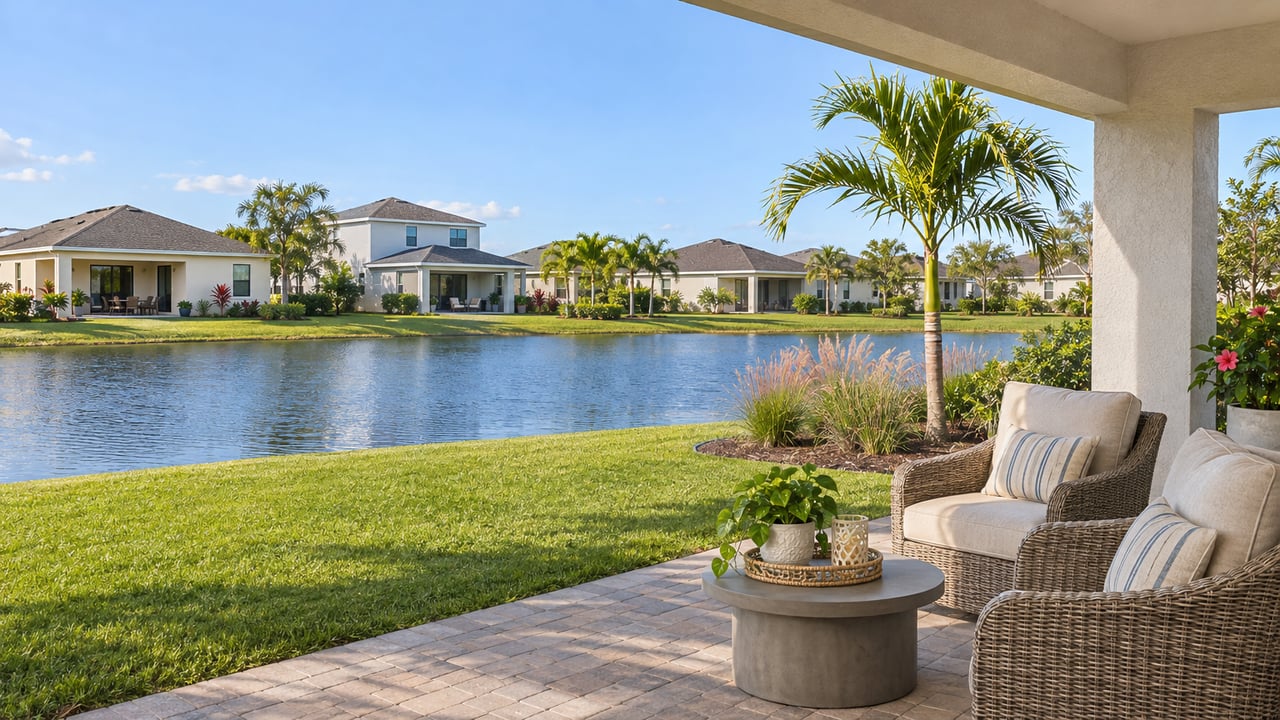
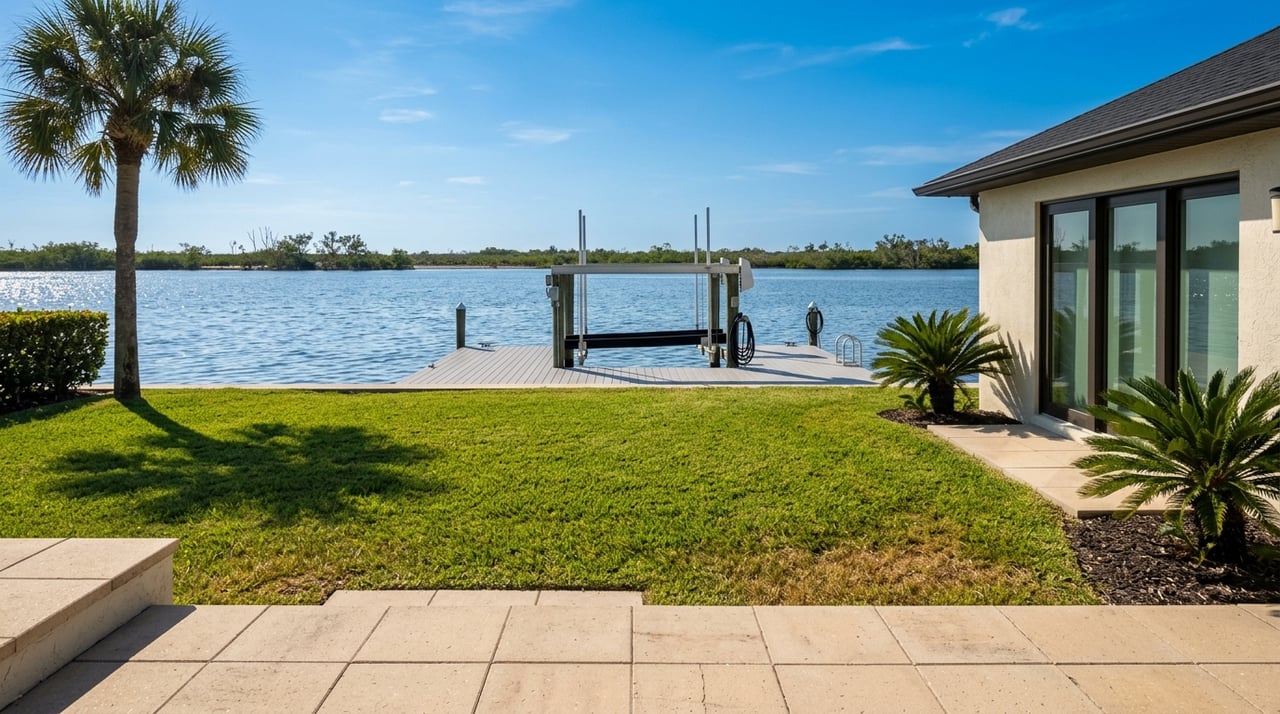
For an Apollo Beach waterfront property, that usually means the marketing should highlight the relationship between the house and the water. Buyers want to see the dock, the outdoor seating areas, the pool or lanai if applicable, and the overall view corridor. If those spaces look clean, open, and functional, your listing has a better chance of standing out.
Prep your home before photos
Before photography day, focus on making every space look intentional. General seller prep guidance recommends a spotless home, reduced clutter, open blinds, and rooms arranged to feel bright and usable. On a waterfront property, the same idea applies outdoors.
Your goal is simple: make the water the focal point. That means clearing anything that distracts from the dock, canal, or outdoor living space.
Clear outdoor clutter
Waterfront homes often collect gear that makes daily life easier, but too much of it can make the property feel cramped in photos. Put away loose items before photography and showings so buyers can focus on the space itself.
Common items to store include:
- Hoses
- Coolers
- Fishing gear
- Pet items
- Yard tools
- Spare marine equipment
- Extra deck furniture that blocks the view
A tidy dock and lanai help buyers see the home as usable and inviting. A crowded setup can have the opposite effect, even if the property has strong features.
Brighten the interior
Inside the home, open blinds and let in as much natural light as possible. Clean windows, counters, flooring, and high-visibility surfaces. Arrange furniture so rooms feel open and easy to understand in photos.
This matters because waterfront listings are often judged quickly. If the interior feels dark or cluttered, buyers may never make it to the part of the listing where the water view shines.
Get dock records organized
If your home has a dock or water-related improvements, gather the paperwork early. Florida Department of Environmental Protection guidance shows that docks may be exempt, covered by a general permit, or require an environmental resource permit. It also notes that over-water area calculations can include features like roofs, boat-cover canopies, elevated platforms, and decking.
That is why buyers often ask detailed questions about what was built, when it was added, and whether it was approved. Having your records ready can make those conversations easier and help reduce delays once interest picks up.
Helpful documents may include:
- Permit records
- Contractor invoices
- Improvement dates
- Any available plans or approvals for dock-related work
Even if a buyer does not ask for everything right away, being prepared helps you respond quickly and confidently.
Be ready for flood-related questions
Flood questions are common with waterfront homes, and buyers may raise them early in the process. FEMA identifies the Flood Map Service Center as the official source for flood-hazard mapping and advises homeowners to contact the community floodplain administrator before making changes. For sellers, that means having flood-risk information available can save time when questions come up.
You do not need to guess your way through this. If a buyer wants to understand the property's flood-hazard mapping, it helps to have the relevant information on hand so your listing process stays smooth and transparent.
Use photos and video to sell the lifestyle
Strong waterfront marketing should show more than the living room and kitchen. NAR recommends giving buyers as much visual information as possible through photos, video, virtual tours, and floorplans. For Apollo Beach sellers, that is especially important because the value story often includes both the home and the water access.
A complete visual package should show:
- The dock
- The view from the backyard
- Outdoor entertaining areas
- The home's connection to the canal or waterfront
- Key interior spaces that support the lifestyle
This is where professional, well-planned marketing can make a real difference. If your listing only shows the basics, you may miss the features that make a waterfront property memorable.
Why drone footage can help
Drone footage can be especially useful for waterfront homes because it shows the property's layout and its position relative to the water. NAR notes that drone use is common in real estate marketing, and drone images can capture the house, roof, yard, surrounding area, and water relationship from one view.
If drone marketing is used, it should be handled properly. FAA Part 107 governs commercial small drone operations, including rules related to daylight or civil twilight flying, anti-collision lighting, and other airspace and safety requirements. For sellers, the takeaway is simple: if drone footage is part of your marketing, it should be done by a qualified professional following the rules.
Choose the right timing for photos and showings
Timing matters more with waterfront homes than many sellers realize. Water level, weather, glare, and the angle of the sun can all affect how the property looks in person and on camera. A home can show very differently depending on the conditions that day.
NOAA's Apollo Beach, Hillsborough Bay tide station provides local water level information, and that can be useful when planning photography or appointments. NOAA also notes that predictions are based on the latest information available at the time of the request, while raw data are preliminary and should be used with caution.
Watch tide and weather conditions
Tampa Bay is a mixed-tide system, and NOAA's oceanography work notes that wind and barometric pressure can materially change daily water levels and currents. In practical terms, a canal or dock may look better at one time of day than another, even when a tide prediction seemed favorable earlier.
That means it is smart to plan around both tide and weather conditions when possible. If your dock and water view are major selling points, you want buyers and photographers to see them at their best.
Plan for the best light
Lighting also matters. NAR's drone guidance recommends scouting a property's orientation so the most important angles are evenly lit at the best time. For a waterfront listing, that includes the facade, the backyard, the dock, and the water.
If sunlight is too harsh or glare is heavy on the water, even a great property can look less appealing in photos. A thoughtful schedule can help your marketing look cleaner, brighter, and more inviting.
Keep marketing honest and accurate
Good waterfront marketing should be attractive, but it also needs to be truthful. NAR advises that advertising should present a true picture and should not exaggerate or conceal pertinent facts. It also says virtual staging is acceptable when it is transparent.
For a waterfront home, that means your marketing should reflect the real property. Photos should not digitally extend the dock, remove obstacles that affect the view, or make the waterline appear different than it is. Clean presentation is smart. Misleading presentation is not.
Focus on what buyers notice most
Waterfront buyers tend to look closely at functionality. They are often asking practical questions while also reacting emotionally to the setting. The strongest listings are the ones that support both.
Before you list, ask yourself whether a buyer can quickly understand the home's water-facing features. Can they see how the outdoor space works? Can they tell the dock is usable? Can they get a clear sense of the view, the layout, and the overall condition? If the answer is yes, you are already ahead.
A smarter way to prepare your Apollo Beach sale
Selling a waterfront home in Apollo Beach is about more than a sign in the yard. It takes planning, clean presentation, strong visuals, and the right timing to show buyers why your property stands out. When you prepare the dock, organize records, and market the home honestly and effectively, you give yourself a better chance to attract serious interest.
If you are thinking about selling and want a clear, local plan for pricing, prep, and marketing, connect with Diaz Group at eXp Realty. Their team offers full-service seller support from valuation through closing, with responsive communication and video-forward marketing built for how buyers shop today.
FAQs
What should you do first when preparing to sell a waterfront home in Apollo Beach?
- Start by decluttering, deep cleaning, and identifying the waterfront features that need to shine in photos, especially the dock, lanai, pool deck, and water view.
Why does dock condition matter when selling an Apollo Beach waterfront home?
- Buyers often evaluate how the property works on the water, and a clean, well-presented dock can support a stronger first impression both online and in person.
What documents should you gather for an Apollo Beach waterfront home sale?
- It helps to gather dock-related permit records, contractor invoices, improvement details, and flood-risk information that buyers may request during the sale process.
Is virtual staging allowed for waterfront home listings in Apollo Beach?
- Yes, virtual staging can be used if it is clearly disclosed and does not misrepresent the actual condition, view, or waterfront features of the property.
When is the best time to photograph a waterfront home in Apollo Beach?
- The best time is usually when the property has favorable light, manageable glare, and water conditions that help the dock, canal, and backyard show well.
Should you use drone footage to market a waterfront home in Apollo Beach?
- Drone footage can be very helpful because it shows the home's layout and relationship to the water, but it should be done by a qualified operator following FAA rules.