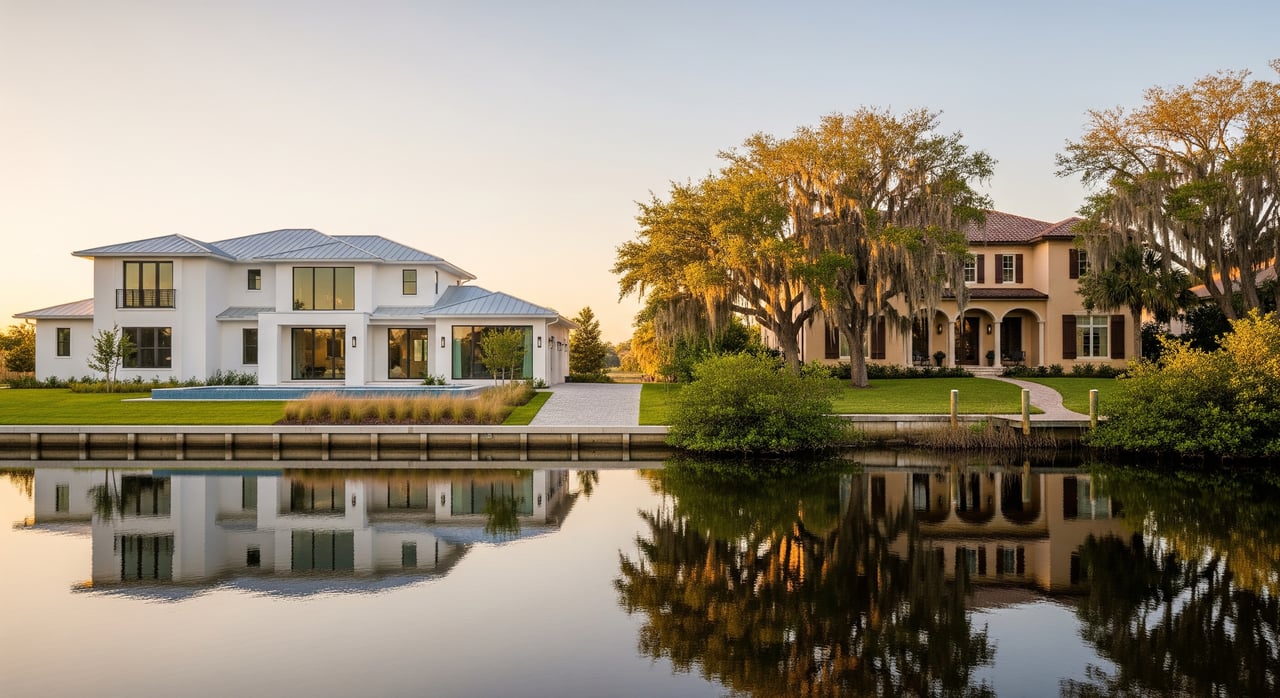
Thinking about buying in Parrish but torn between a shiny new build and a lived‑in resale? You are not alone. The right choice comes down to costs you can see and those you cannot, plus how soon you need to move and how much customization matters. In this guide, you will compare the real costs, timelines, risks, and value tradeoffs specific to Parrish and Manatee County so you can buy with confidence. Let’s dive in.
Parrish market snapshot
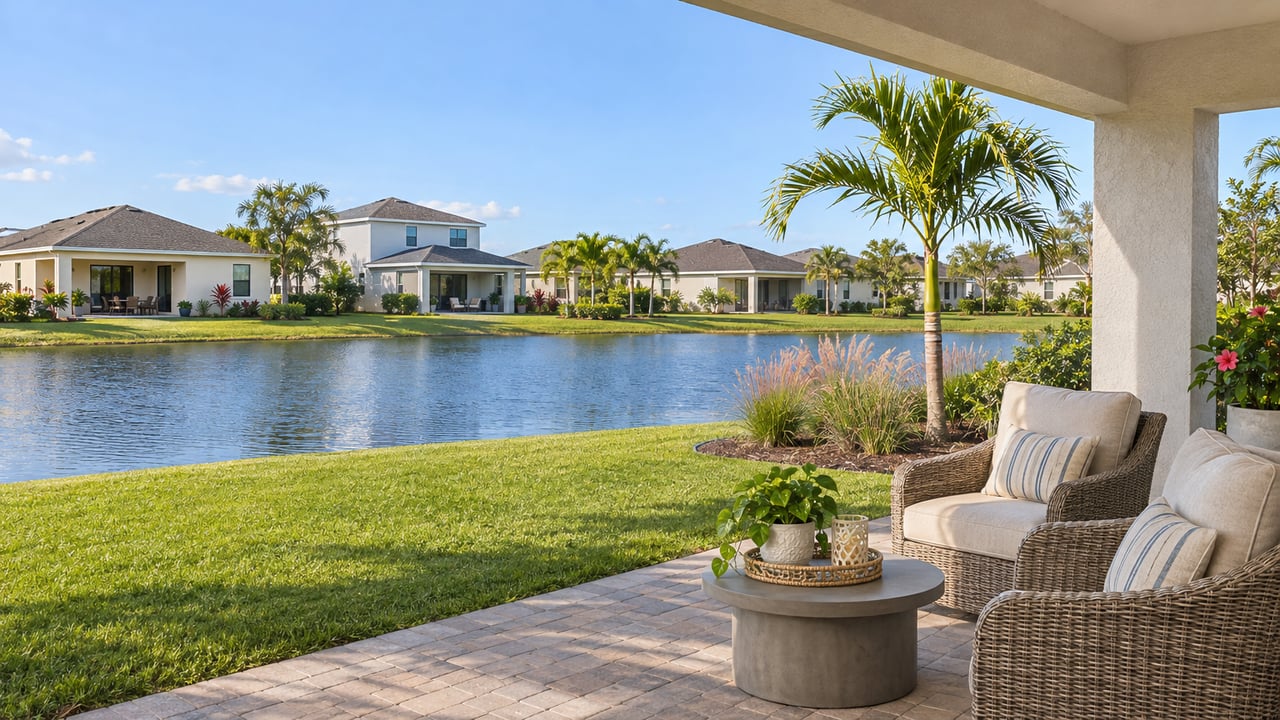
Parrish is growing, with new subdivisions rising alongside established homes on larger lots. Siting matters here. Proximity to major roads, access to county water and sewer versus well and septic, and local school zones can all influence price and carrying costs. Flood exposure and wind risk also affect insurance and should be verified at the parcel level.
Upfront costs: new vs resale
New homes often carry a higher price per square foot because you pay for modern layouts, new systems, and builder profit. The advertised base price may not include common upgrades like flooring, countertops, and landscaping. Most buyers add a meaningful amount for options to get the home they expect.
Resale buyers typically pay for inspections and may negotiate credits or repairs for deferred maintenance. You can see the home’s condition upfront and use market comps to guide pricing. Depending on age and condition, you may budget for roof, HVAC, plumbing, or cosmetic updates.
Builder incentives vs seller concessions
Builders sometimes offer closing cost help or mortgage rate buydowns, especially on quick‑move‑in homes. Offers vary by community and inventory, and incentives often apply only when using preferred lenders or title companies. Resale sellers can also provide concessions, but they depend on negotiation and local market conditions.
Financing differences to know
If you are building from the ground up, you may need a construction or construction‑to‑permanent loan with different approval rules and fees. Completed spec homes and model homes usually qualify for standard mortgages. New construction can face appraisal challenges if there are few nearby comps, while resale appraisals lean on established sales history.
Taxes and homestead in Manatee County
Your property tax bill depends on assessed value and exemptions. If you make the home your primary residence, Florida’s homestead rules can reduce taxes and limit future assessment increases. Always confirm current assessed values, eligibility, and deadlines with the Manatee County Property Appraiser.
New subdivisions can include infrastructure assessments or impact fees that affect your bottom line. Resale properties may carry existing municipal assessments. Ask for written HOA budgets and any planned assessments before you commit.
Insurance: wind and flood
Florida’s insurance market can change quickly. Newer homes built to current Florida Building Code standards may qualify for wind mitigation discounts. Older roofs, original windows, or outdated systems can raise premiums, so it is smart to get quotes before you write an offer.
Flood risk is not just a coastal concern. Even inland Parrish parcels may lie within FEMA‑mapped flood zones. Lenders can require flood insurance, and premiums vary by zone, elevation, and building features. Request elevation certificates where applicable and verify the flood zone and local drainage considerations.
HOA dues and monthly costs
Many new Parrish communities have HOAs and amenities like pools, parks, or private roads. Early dues can rise as the community builds out, so review current budgets and reserve studies. In resales, HOAs still apply if the neighborhood is governed, while some older areas may have no HOA at all.
Day‑to‑day costs differ by property. New builds can be more energy‑efficient and need fewer repairs in the near term. Resales may have established landscaping and lower yard start‑up costs but could need system upgrades sooner.
Timelines and construction risk
New construction timelines can shift due to permitting, weather, supply chain, and labor. If your move date is locked, build delays can be stressful. Resale homes generally close faster if the property is vacant and financing is straightforward.
Customization vs predictability
With a new build, you choose floor plans, finishes, and sometimes lot placement. That is ideal if you want specific layouts or brand‑new systems. Resales offer predictability: what you see is what you get, and you can negotiate based on condition. Structural changes usually require a remodel.
Warranties and inspections
New homes typically come with builder warranties that cover workmanship, systems, and structural components for defined periods. Ask for the coverage terms and claims process in writing. Even with a new build, consider third‑party inspections at key stages, like pre‑drywall and final walkthrough, plus a detailed punch list.
Resale homes rarely include a warranty from the seller. You can purchase a one‑year home warranty for added peace of mind, and a thorough inspection is essential.
Resale value and long‑term outlook
New homes offer modern appeal and low maintenance, which can attract future buyers. In areas with many builders, however, competing new inventory can temper appreciation. Resale homes in established neighborhoods may benefit from mature landscaping, lot size, and proven stability, which can support value even with older systems.
Hidden or long‑term costs
- Landscaping establishment for new builds can add immediate out‑of‑pocket costs.
- Utility connection or extension fees can apply to outlying parcels.
- Community amenities like clubhouses or sidewalks may be built in phases; verify developer commitments and HOA reserves.
Parrish buyer checklist
- Verify utilities. Confirm if the property uses county water and sewer or well and septic. Ask for permits and recent inspections for well and septic systems.
- Check flood risk. Review FEMA flood maps and local floodplain designations. Ask for elevation certificates in AE or VE zones.
- Confirm permits and code compliance. For resales, request permits for past work. For new builds, confirm active permits and the certificate of occupancy timeline.
- Review HOA and fees. Read CC&Rs, financials, reserve studies, and meeting minutes. Ask about upcoming assessments and amenity completion.
- Get insurance quotes early. Obtain homeowners and flood quotes before finalizing your offer.
- Estimate taxes and homestead. Review assessed values and file for homestead exemption if eligible.
- Vet the builder. Research local delivery timelines, warranty service quality, and completion history.
Which costs more in Parrish?
There is no single answer. New construction often has a higher price per square foot, and upgrades can add up. Resales may need immediate repairs or system replacements, but you might secure a better price relative to size and location. The best move is to compare a specific new home to a specific resale, line by line, including taxes, insurance, HOA dues, utilities, and likely repairs.
How we can help
You do not have to figure this out alone. We help you price out both paths, gather insurance and tax estimates, review HOA documents, and negotiate builder incentives or resale concessions. If you want a smooth, informed experience from search through closing, we are ready to guide you.
When you are ready, reach out to the Diaz Group at eXp Realty for a quick planning call and a side‑by‑side cost breakdown.
FAQs
What are the biggest cost differences in Parrish?
- New builds often cost more per square foot and include upgrade packages, while resales can require immediate repairs; both can have HOA dues, insurance, and taxes that vary by property.
Do older Parrish homes cost more to insure?
- Often yes, due to roof age and lack of modern wind protections, while newer homes built to current codes may qualify for wind mitigation discounts; always get quotes.
How long does a new build take in Parrish?
- Timelines vary by builder, permitting, weather, and supply chain; confirm the builder’s current average and include a buffer for delays.
Should I get inspections on new construction?
- Yes; hire a third‑party inspector for pre‑drywall and final inspections, then complete a detailed punch list before closing.
How do property taxes work for a new home?
- Taxes are based on assessed value; if you use the home as your primary residence, Florida’s homestead rules can reduce taxes and limit annual assessment increases.
Are there special assessments in new communities?
- New subdivisions can include infrastructure assessments or impact fees; review HOA budgets and ask the builder or county for details.
Is flood insurance required in Parrish?
- It depends on the property’s flood zone and lender requirements; verify the FEMA zone, request elevation data, and price coverage before making an offer.