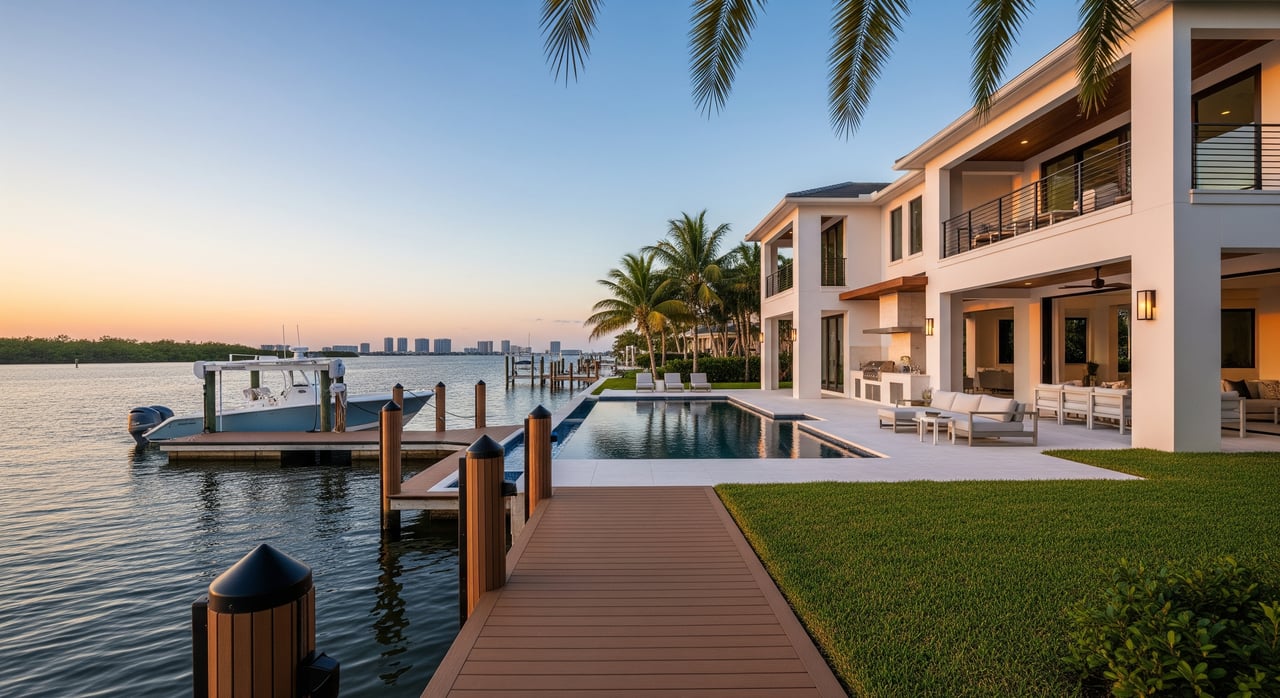
Imagine stepping outside to a calm canal, coffee in hand, and your boat waiting on the lift. If you are drawn to that lifestyle, Apollo Beach delivers it in a very real way. The key is understanding the practical side that comes with waterfront living, from flood maps to dock permits. In this guide, you will learn what to check, who to call, and how to buy or sell confidently in Apollo Beach. Let’s dive in.
Why Apollo Beach works for waterfront living
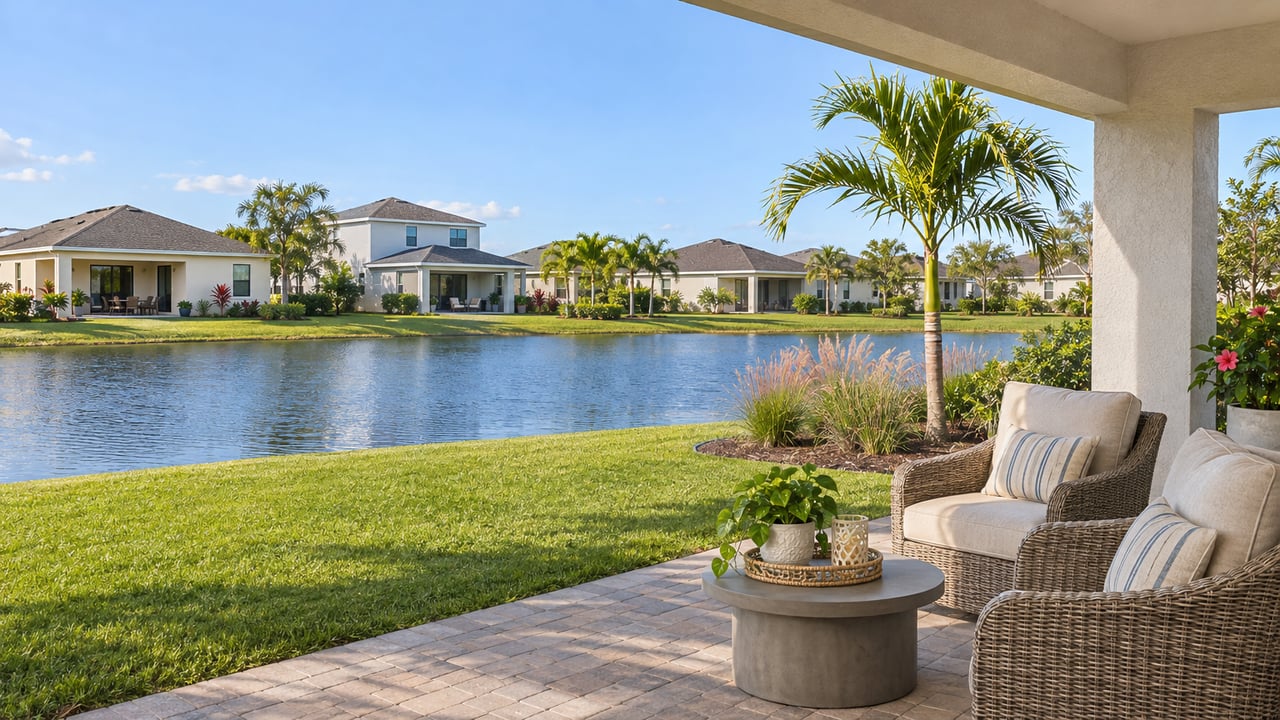
Apollo Beach sits on the shoreline of Tampa Bay within unincorporated Hillsborough County. That means county rules and permitting apply rather than a city’s. You will find single-family homes on deep-water canals and along the bay, often with private docks, seawalls, and lifts. There are also inland homes with neighborhood boat ramps or community water access.
The local market often moves differently than non-waterfront areas. Waterfront homes can see premium pricing and lower inventory, while insurance and weather concerns can affect demand. Because market conditions shift, plan to use current county records and your agent’s MLS data to set expectations.
Know your water and land risks
Waterfront ownership means more exposure to storms and tides. Many properties sit in FEMA Special Flood Hazard Areas. Before you make an offer, review the flood zone and elevation for the specific parcel using Flood Insurance Rate Maps and the home’s Elevation Certificate. These documents help you understand risk and insurance requirements.
Sea-level rise in Tampa Bay is a long-term consideration. Projections and planning studies from NOAA and Hillsborough County can help you think ahead about seawall height, future maintenance, and resale. Combine those insights with an honest talk about total cost of ownership.
Hurricane season runs from June 1 through November 30. Wind mitigation features like impact-rated windows and doors, roof straps, and properly installed shutters can reduce damage and may help with insurance pricing.
Insurance and financing essentials
Two policies typically matter most on the water. Homeowners coverage handles wind and general property risks. Flood insurance covers flooding from storm surge and rising water. Lenders may require flood insurance if the home is in a high-risk zone. Ask your lender about underwriting guidelines early.
Florida’s insurance market is evolving, and some carriers limit coastal exposure. Citizens Property Insurance can function as an insurer of last resort if private options are not available. Get multiple quotes for both homeowners and flood coverage before you finalize your budget. Be sure to compare deductibles and coverage limits, not only the annual premium.
Docks, seawalls, and permits
Most waterfront homes in Apollo Beach include a seawall or bulkhead, and many have docks, lifts, and pilings. If you want to repair or build structures, you will work with more than one agency. Hillsborough County oversees local building permits and land use. The Florida Department of Environmental Protection manages coastal construction and environmental controls. The U.S. Army Corps of Engineers may be involved for work in navigable waters. Depending on the project, the Southwest Florida Water Management District and regional planning entities can also have a say.
Design details matter. Setbacks, dock height, and dock length can be limited by seagrass, manatee protections, and channel widths. Replacing versus repairing a seawall triggers different rules and timelines. Expect permit steps to take weeks to months, especially if engineering, surveys, or environmental mitigation are required. Plan for costs that include design, surveys, permit fees, and potential habitat mitigation.
Utilities, septic, and wastewater
Some Apollo Beach neighborhoods are on Hillsborough County water and sewer. Others, especially older areas, may rely on septic systems. If a property is on septic, ask about the system’s age, service history, and location relative to the shoreline. Septic near the water has unique maintenance needs and may require upgrades over time. Marinas and boaters must follow pump-out rules that help protect Tampa Bay’s water quality.
Everyday boating and wildlife etiquette
Tampa Bay offers excellent inshore boating and fishing. Private docks provide quick access, and public ramps and marinas help when you trailer your boat. Availability of slips and ramp parking can vary by season and demand, so plan ahead.
You will share the water with dolphins, shorebirds, and manatees. The Florida Fish and Wildlife Conservation Commission enforces slow and no-wake zones to protect manatees and people. Learn local speed zones and follow them closely. Avoid riding over seagrass beds, which are protected. Do not feed wildlife, and give marine life plenty of space.
Water quality is generally good, but harmful algal blooms can occur. Red tide or blue-green algae events sometimes affect recreation and local perception. State and county agencies monitor these conditions and share public advisories when needed.
Smart buying checklist for Apollo Beach waterfront
Use this quick list to keep your due diligence on track:
- Flood zone and elevation. Review FEMA maps and request the Elevation Certificate. Understand projected flood risk and potential lender requirements.
- Permits and history. Ask for permits and as-built drawings for docks, lifts, and seawalls. Clarify what is repairable under current rules and what requires full replacement.
- Seawall and dock condition. Inspect for cracks, rusted tie-backs, spalling concrete, compromised pilings, and lift capacity.
- Insurance quotes. Get multiple quotes for homeowners and flood coverage. Compare deductibles and policies, not just premiums.
- HOA and covenants. Confirm rules on boat size, lifts, dock lighting, and exterior materials.
- Utilities status. Verify sewer versus septic and any recent service or upgrades.
- Navigation and water depth. Ask about typical depths, siltation, bridge clearances, and tidal swings that affect access.
- Wind mitigation features. Note roof age, straps, impact openings, and flood vents for lower floors.
Selling a waterfront home: steps to stand out
A well-prepared listing moves faster and reduces renegotiations. Consider these seller moves:
- Get ahead of questions. Order or locate the Elevation Certificate, dock and seawall permits, and any warranty documents.
- Inspect critical systems. Have a qualified pro review the seawall, dock, lift, and electrical for the lift. Minor fixes now can prevent buyer concerns later.
- Disclose accurately. Share any known flood or storm history and repairs. Transparency builds trust and protects you after closing.
- Market the lifestyle precisely. List slip length, lift capacity, approximate water depth at mean low tide, and distance to open bay. Avoid absolute claims about navigability since water depths can change.
- Showcase the home. Video, drone, and detailed floor plans highlight water views and outdoor spaces for local and out-of-state buyers.
Storm prep and community resources
Know your county evacuation zone and how you will secure the home. Keep shutters, hurricane hardware, and a basic emergency kit ready before June. Elevation certificates and clear records of improvements can speed up claims and repairs if a storm hits. After severe weather, follow guidance from county emergency management and state agencies for reentry and water safety.
What everyday life looks like
Life on the water is active and relaxed at the same time. Mornings might start with a kayak paddle or a short ride to the bay. Weekends often revolve around fishing, sunset cruises, and backyard gatherings by the dock. During storm season, you will watch forecasts a bit closer and keep your prep list handy.
Public schools in Apollo Beach are part of the Hillsborough County School District. Boundaries and offerings can change, so review official district resources for up-to-date information. Commute times depend on your proximity to I-75 and other major roads, with travel patterns shifting by time of day and season.
How we help you buy or sell
You should feel confident and informed at every step. Our team brings local knowledge of Apollo Beach and Hillsborough County, plus a process that keeps you organized. We guide you on flood zones, permits, insurance conversations, and inspections, and we line up the right pros when needed. For sellers, we pair accurate pricing and full-service marketing with video and modern tools to reach both local and relocating buyers.
Whether you are scouting your first canal home or preparing to list a bayfront property, we are ready to help. Reach out to the Diaz Group at eXp Realty to start your plan today.
FAQs
What should a first-time Apollo Beach waterfront buyer check first?
- Start with the flood zone, Elevation Certificate, seawall and dock condition, and preliminary insurance quotes to confirm total monthly costs.
How do permits work for docks and seawalls in Apollo Beach?
- Expect to coordinate with Hillsborough County, the Florida Department of Environmental Protection, and possibly the U.S. Army Corps of Engineers depending on scope and location.
Are manatee zones and seagrass protections a factor for dock design?
- Yes, local protections can limit dock length, height, and placement, and you may need mitigation steps to avoid shading or seagrass impacts.
What insurance do Apollo Beach waterfront owners typically carry?
- Most carry homeowners coverage for wind and property, plus separate flood insurance through the National Flood Insurance Program or a private insurer.
Do some Apollo Beach homes use septic systems instead of sewer?
- Yes, it depends on the neighborhood and age of development, so verify utility connections and maintenance history during due diligence.
How does hurricane season affect daily life on the water?
- You will prepare early, secure outdoor items, check boat lifts and lines, and follow county evacuation guidance when a storm approaches.
What should a seller prepare before listing a waterfront home?
- Gather permits, the Elevation Certificate, recent service records for the seawall and lift, and complete disclosures to reduce surprises during escrow.