You found the right home in Spring Hill, but will the appraisal match your offer? In a shifting market, that question can make or break a deal. If you are buying, you want protection without losing the house. If you are selling, you want certainty at the price you earned. In this guide, you will learn why appraisal gaps happen in Spring Hill, how lender appraisals work, and smart steps to keep your contract on track. Let’s dive in.
What is an appraisal gap?
An appraisal gap is the difference between the agreed purchase price and the value a licensed appraiser reports to the lender. If the appraisal comes in lower than your contract price, the lender bases the loan on the lower number. You cannot finance above the appraised value. The parties must either bring extra cash, renegotiate, or use the contract’s appraisal terms to move forward or cancel.
How Florida appraisals work
A licensed appraiser inspects the home, researches comparable closed sales, adjusts for differences, and reports a market value to the lender. In Florida, appraisers are licensed and regulated by the Florida Department of Business and Professional Regulation. Lenders then apply investor rules from sources like the Fannie Mae Selling Guide, the FHA Single Family Housing Policy Handbook, or the VA’s appraisal program.
Turnaround time usually ranges from several days to two weeks, depending on scheduling and property complexity. The lender will not lend above the appraised value, so any shortfall is a gap that must be solved by cash, renegotiation, or contract rights.
Why gaps happen in Spring Hill
Spring Hill has a diverse housing mix. Micro-market differences can make appraisals tricky.
- Rapid price movement. During busy months, prices can move faster than closed comparable sales.
- Limited comp pools. In some neighborhoods, there are few recent closed sales that match size, age, and features.
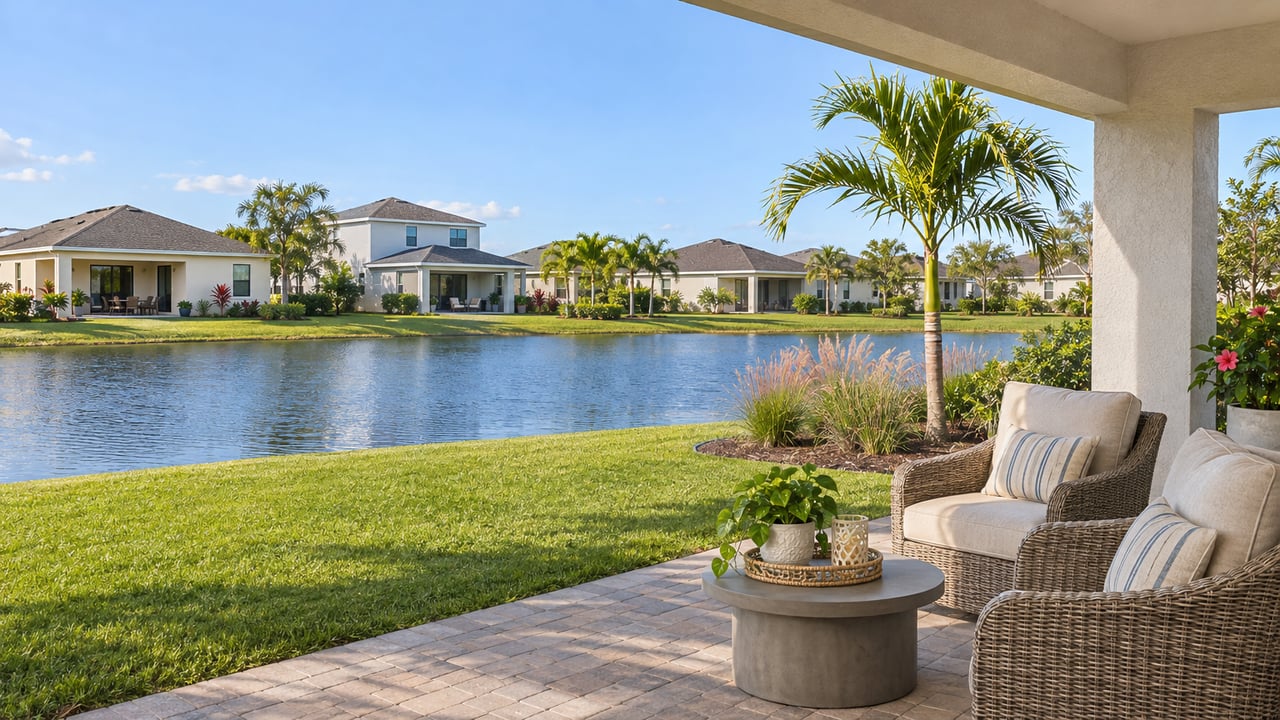
- Unique features. Waterfront or pond-front lots, remodeled homes, or lot premiums can be hard to match with recent comps.
- Condition and permits. Deferred maintenance or permit issues for additions can affect value and underwriting.
- Flood risk. Proximity to flood zones and related insurance costs can influence marketability and value. You can check a specific address using the FEMA Flood Map Service Center.
- Concessions. Large seller credits affect net to the seller but do not change the appraised value.
Buyer game plan before you offer
Set yourself up to win the home and protect your budget.
- Get pre-underwritten, not just pre-approved, to reduce financing surprises.
- Review hyperlocal comps within the last 3 to 6 months with your agent. Focus on age, square footage, lot type, and condition.
- Consider a pre-offer appraisal or broker price opinion for unique or higher-value homes.
- Use protective contract terms:
- Include an appraisal contingency with clear deadlines.
- Add an appraisal gap clause with a firm cap. Example: pay up to a set dollar amount above the appraised value.
- If you use an escalation clause, set a maximum ceiling to limit gap risk.
Buyer options if the appraisal is low
When the number arrives, you still have choices.
- Bring the difference in cash if feasible.
- Renegotiate the price based on the appraisal and closed comps.
- Ask your lender for a reconsideration of value. Submit strong, recent comps and factual corrections.
- Request a second appraisal only if your lender and investor allow it.
- Consider alternative financing arrangements if suitable and allowed by your lender.
- Use your contingency to cancel if the contract permits and timelines are met.
Pro tip: Work with your agent to prepare a concise comps packet and an upgrades list with permits and receipts. This supports your case if a review is needed.
Seller plan to reduce appraisal risk
Position your listing to appraise well and close smoothly.
- Do pre-list due diligence. Consider a pre-list appraisal or broker price opinion. Fix cost-effective items and gather permits and receipts for upgrades.
- Price with support. Price competitively with data, not only to chase the highest number.
- Prepare an appraiser packet. Include comps, MLS sheets, upgrades, permits, HOA details, and a concise narrative of lot, view, or water premiums.
- Choose the right offer terms. Favor buyers who show proof of funds for a possible gap or who agree to a capped appraisal gap clause.
- If the appraisal is low, respond quickly. Provide comps for reconsideration, negotiate a price adjustment, or ask the buyer to bring cash per the agreement.
Example: How appraisal gap math works
The numbers below are simplified to show how a gap affects cash-to-close. This is an example only.
- Contract price: 350,000
- Appraised value: 335,000
- Conventional loan, 80 percent of appraised value: lender will lend up to 268,000
- Required cash to close before closing costs: 350,000 minus 268,000 equals 82,000
If you planned to put 20 percent down on the contract price, you expected 70,000. The 15,000 gap increases your cash need from 70,000 to 82,000, plus closing costs. A capped appraisal gap clause can limit this exposure. For instance, if your cap is 10,000 and the gap is 15,000, you can either renegotiate, use your contingency, or bring only the capped amount if the seller reduces the price by the balance, per your contract.
Local checks to verify value
Use trusted sources to confirm facts and context.
- Property records and recent sales: Check the Hernando County Property Appraiser for parcel data and recorded sales.
- Flood risk: Review the FEMA Flood Map Service Center to confirm zone status and consider insurance quotes.
- Appraisal rules: See the Fannie Mae Selling Guide and FHA’s handbook for general standards.
- Appraiser licensure: Confirm oversight through the Florida DBPR.
- Consumer overview of appraisals: Read the CFPB’s plain-language explanation of appraisals.
Spring Hill nuances to watch
Every street is different. Keep these local factors in mind.
- Gated vs. non-gated neighborhoods can produce different comps and days on market.
- Age-restricted communities may have distinct amenity and fee structures that affect comparable selection.
- Manufactured homes often follow different lending and appraisal criteria. Confirm title, land ownership, and foundation details early.
- Waterfront, pond-front, and larger lots may carry premiums that require strong paired comps.
- Permits and code. Unpermitted additions can trigger lender issues and reduce appraised value adjustments.
Your next step
A strong plan can turn a low appraisal from a deal breaker into a solvable puzzle. Whether you are a buyer aiming to protect your budget or a seller preparing your home to appraise well, a clear strategy, complete documentation, and local comps make all the difference. If you want a tailored comps review, an appraisal prep checklist, or help drafting offer terms that balance risk and competitiveness, our team is ready.
Connect with the Diaz Group at eXp Realty to map out your next move in Spring Hill. Get your free home valuation & marketing plan.
FAQs
What is an appraisal gap in a Spring Hill home purchase?
- It is the difference between your contract price and the appraised value used by your lender; if the appraisal is lower, you must renegotiate or bring cash.
Can I cancel if the appraisal is low in Florida?
- Only if your purchase contract includes an appraisal contingency and you act within the deadline and terms of that contingency.
Will my lender order a second appraisal automatically?
- No; second appraisals are limited by lender and investor rules, and they are not guaranteed or automatic.
Do seller concessions change the appraised value?
- No; concessions can help with buyer costs but appraisers value the property based on market evidence, not who pays closing costs.
Are tax assessments the same as mortgage appraisals?
- No; county tax assessments are for taxation and often lag the market, while lender appraisals estimate current market value for underwriting.
How does flood zone status affect Spring Hill appraisals?
- Higher flood risk can increase insurance costs and reduce demand, which may influence value; verify zones using FEMA’s map service and get quotes as part of due diligence.