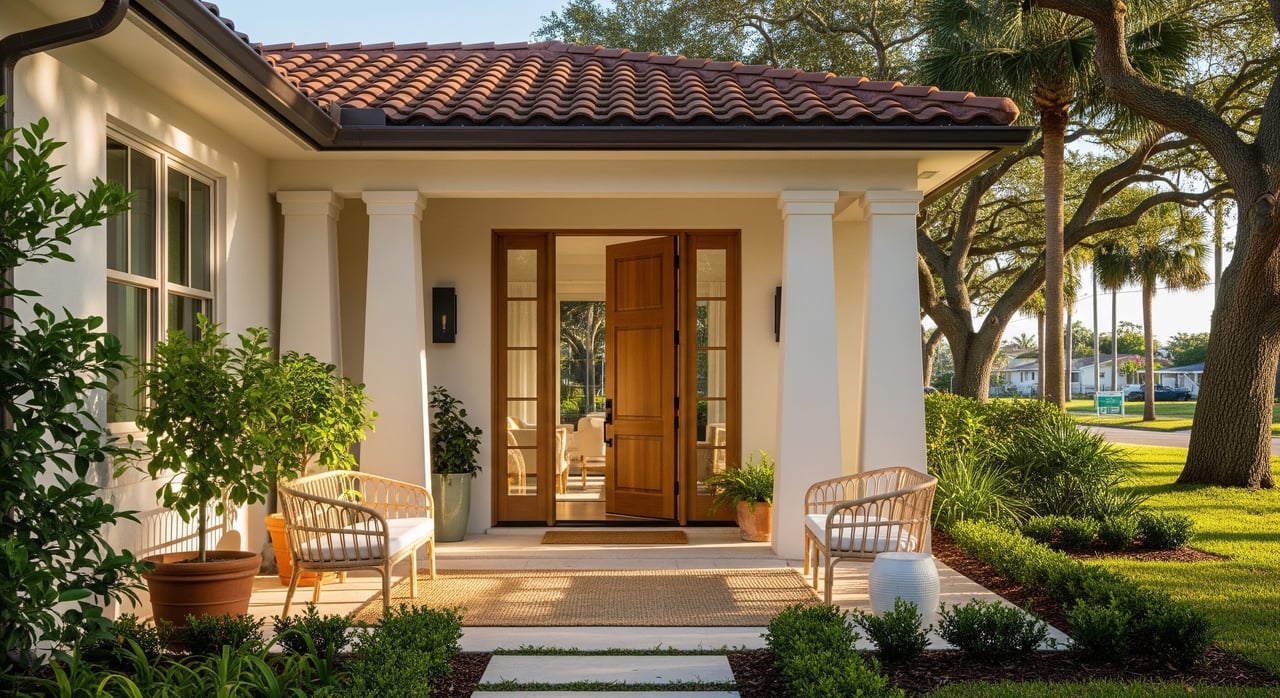
Buying your first home in Tampa can feel exciting and a little overwhelming. You want a clear path, local insight, and confidence that you are making smart choices. This guide breaks the process into simple steps tailored to Tampa and Hillsborough County so you can move from dreaming to closing with fewer surprises. Let’s dive in.
Tampa market basics you should know
Tampa’s market is active, and most financed purchases close in about 30 to 45 days after the seller accepts your offer. Multiple offers and tight inspection windows can speed things up, so being prepared helps you compete. Cash purchases can close faster.
Weather and insurance matter here. Hurricanes, tropical storms, and wind risks can affect homeowners insurance costs, deductibles, and coverage options. Some properties also require flood insurance based on FEMA flood zones or lender rules, and even homes outside mapped zones can have localized flooding.
Plan for Florida’s insurance market dynamics. Insurers often look closely at roof age, wind protection features, and prior claims. A wind mitigation inspection and roof documentation can help with premiums. Start insurance quotes early during your search.
Understand property taxes and exemptions. Hillsborough County sets local assessments, which can change yearly. If the home will be your primary residence, look into Florida’s homestead exemption and Save Our Homes cap. Taxes are prorated at closing.
If you are buying a condo or a home with an HOA, expect association documents to review. Florida statutes provide rules for disclosure and timelines for condominiums, cooperatives, and HOAs. Review budgets, reserves, and rules carefully.
Closings in Florida are commonly handled by title companies. The title company coordinates the title search, escrow, title insurance, and recording. Some buyers also choose an attorney, but it is not required.
Step 1: Prepare and budget
Start with your credit and savings. Check your credit reports, fix errors, and build reserves for your down payment, closing costs, and moving expenses. Your lender will help you estimate how much you need based on your loan type.
Build a realistic monthly budget. Include mortgage principal and interest, property taxes, homeowners insurance, HOA or condo fees, utilities, and routine maintenance. Tampa insurance and potential flood insurance should be part of your estimate.
Consider homebuyer education. Many assistance programs require HUD-approved counseling. Even if you do not use a program, a class can help you plan for out-of-pocket costs and timelines.
Step 2: Get pre-approved
A pre-approval is stronger than a pre-qualification. It means a lender has reviewed your income, assets, and credit and issued a letter you can present with offers.
Gather common documents. You will typically provide government ID, recent pay stubs and W-2s, bank statements, tax returns, a list of debts, and permission to pull credit. Your lender may ask for more as needed.
Explore loan types that fit first-time buyers. Options include conventional, FHA, VA for eligible service members and veterans, and USDA for eligible rural areas. Ask local lenders about Tampa-specific requirements like roof certifications and flood insurance timing.
Step 3: Search and make a strong offer
Work with a local buyer’s agent who knows Tampa neighborhoods, HOA and condo practices, flood considerations, and typical inspection timelines. A local guide helps you spot risks early and write competitive offers.
Understand offer terms. You will choose a price, earnest money deposit, timelines for inspection and financing, a closing date, and requests for disclosures and association documents when applicable. Earnest money is held in escrow by the title company or broker.
Ask informed questions about each property. Check for roof age, wind mitigation features, drainage, flood zone status, and any known insurance challenges that can affect your budget and timeline.
Step 4: Inspections, negotiations, and appraisal
Order a general home inspection. In the Tampa area, you should also consider:
- Wood-destroying organism inspection
- Wind mitigation inspection
- Roof certification or age verification
- Septic inspection if applicable
- Pool inspection and targeted checks like HVAC, electrical, or mold as needed
Use inspection results to negotiate repairs or credits. You can request fixes, price adjustments, or a seller credit at closing. Sellers can agree, counter, or decline, so your agent’s negotiation plan matters.
Your lender will order an appraisal to confirm value. If the appraisal comes in low, you can renegotiate, bring additional cash, or cancel if your contract allows. Ask your agent to prepare for this possibility in advance.
Step 5: Final underwriting and closing prep
Your lender completes final underwriting and may ask for updated documents. Common final conditions include verification of employment, updated bank statements, and title-related items.
You will receive a Closing Disclosure with final numbers at least three business days before closing. Review your loan terms, cash to close, and escrow details. Ask questions early so there are no last-minute surprises.
Schedule your final walkthrough 24 to 48 hours before closing. Confirm the home is in the same condition and that any agreed repairs were completed.
Step 6: Closing day
At closing, you sign loan documents and the deed. Your down payment and closing funds are wired to the title company per instructions they provide. Once the deed is recorded and the seller receives funds, you receive the keys based on your contract.
Expect typical costs like lender fees, title insurance, recording charges, and prepaid taxes and insurance. Exact amounts vary by loan, price, and negotiations, and they appear on your Closing Disclosure.
After closing, your lender sets up escrow for taxes and insurance if your loan includes it. If this will be your primary residence, plan to file for Florida’s homestead exemption by the deadline.
Financing and assistance to explore
Ask lenders to compare loan options. FHA loans can help with lower down payment and flexible credit standards, while conventional options may allow low down payments with private mortgage insurance. VA loans offer no-down-payment options for eligible buyers. USDA loans may fit properties in eligible rural areas around the region.
Look into down payment and closing cost assistance. The Florida Housing Finance Corporation offers programs for first-time buyers. Hillsborough County, the City of Tampa, and local housing partners also run assistance programs at times. These often have income limits, purchase price caps, and homebuyer education requirements.
Connect with local counseling organizations. Nonprofit groups in the area provide education and may offer access to grants or loans when available. Many programs require working with a participating lender and completing a class before you are under contract.
Ask about rate locks and timing. In changing rate environments, locking a rate can protect you while you complete underwriting. Lenders will also order a flood certification and confirm insurance if a property is in a flood zone.
Inspections and insurance in Tampa
Plan for insurance early. Get quotes during the inspection period. Insurers may require a wind mitigation report and could ask for roof documentation. Some properties can only be insured with specific carriers, which can affect premium and timing.
Understand flood insurance. If your lender requires it, you must secure a policy before closing. Even if it is not required, pricing a policy can help you understand risk and long-term costs.
Prioritize Tampa-relevant inspections. WDO inspections are common because of climate conditions. Wind mitigation and roof certifications can influence insurance premiums. If the property uses a septic system, a professional inspection gives clarity on condition and potential costs.
Smart local checks before you commit
- Confirm flood zone status and consider elevation concerns in the surrounding area.
- Request written homeowners insurance quotes and check insurability early.
- Review Hillsborough County public records for tax history and any recorded liens.
- Verify utilities and whether the property is on public sewer or a septic system.
- If buying in an HOA or condo, review governing documents, budgets, reserves, recent meeting minutes, and any estoppel details.
Timeline and cost snapshot
- Typical financed closing: about 30 to 45 days after contract acceptance, depending on loan type and market conditions.
- Upfront costs during the process: inspections and appraisal fees.
- Funds at closing: down payment, lender fees, title and recording charges, prepaid taxes and insurance, and any association transfer fees if applicable.
- After closing: set up utilities, confirm escrow accounts, and file for homestead exemption if eligible.
Your next steps
- Check your credit, build your budget, and gather documents.
- Talk with a local lender about pre-approval and program options.
- Start a focused home search with a local buyer’s agent who knows Tampa’s flood and insurance landscape.
- Plan inspections and insurance quotes early to avoid delays.
Ready to move from research to keys in hand? Partner with a local team that blends neighborhood expertise with a clear process and steady communication. Reach out to the Diaz Group at eXp Realty to start your Tampa home search with a proven, step-by-step plan.
FAQs
How long does closing take for a first-time buyer in Tampa?
- Most financed closings take about 30 to 45 days after the seller accepts your offer, while cash purchases can close faster depending on title work and logistics.
What should I budget for closing costs in Hillsborough County?
- Closing costs vary by loan and purchase price, but expect several thousand dollars that will be detailed on your Loan Estimate and Closing Disclosure.
Do I need flood insurance to buy in Tampa?
- If your lender determines the property is in a flood zone that requires coverage, you must carry flood insurance; it is wise to price a policy even if it is not required.
Which inspections are most important for Tampa homes?
- A general home inspection plus a termite and other wood-destroying organism check are common, with wind mitigation and roof certifications often recommended.
Are first-time buyer assistance programs available in Tampa?
- Yes, state and local programs may offer down payment or closing cost help, but availability, income limits, and requirements change, and many require homebuyer education.
Who handles closing in Florida, and do I need an attorney?
- Title companies commonly handle Florida closings by coordinating escrow, title searches, title insurance, and recording; some buyers also choose attorney representation, but it is optional.