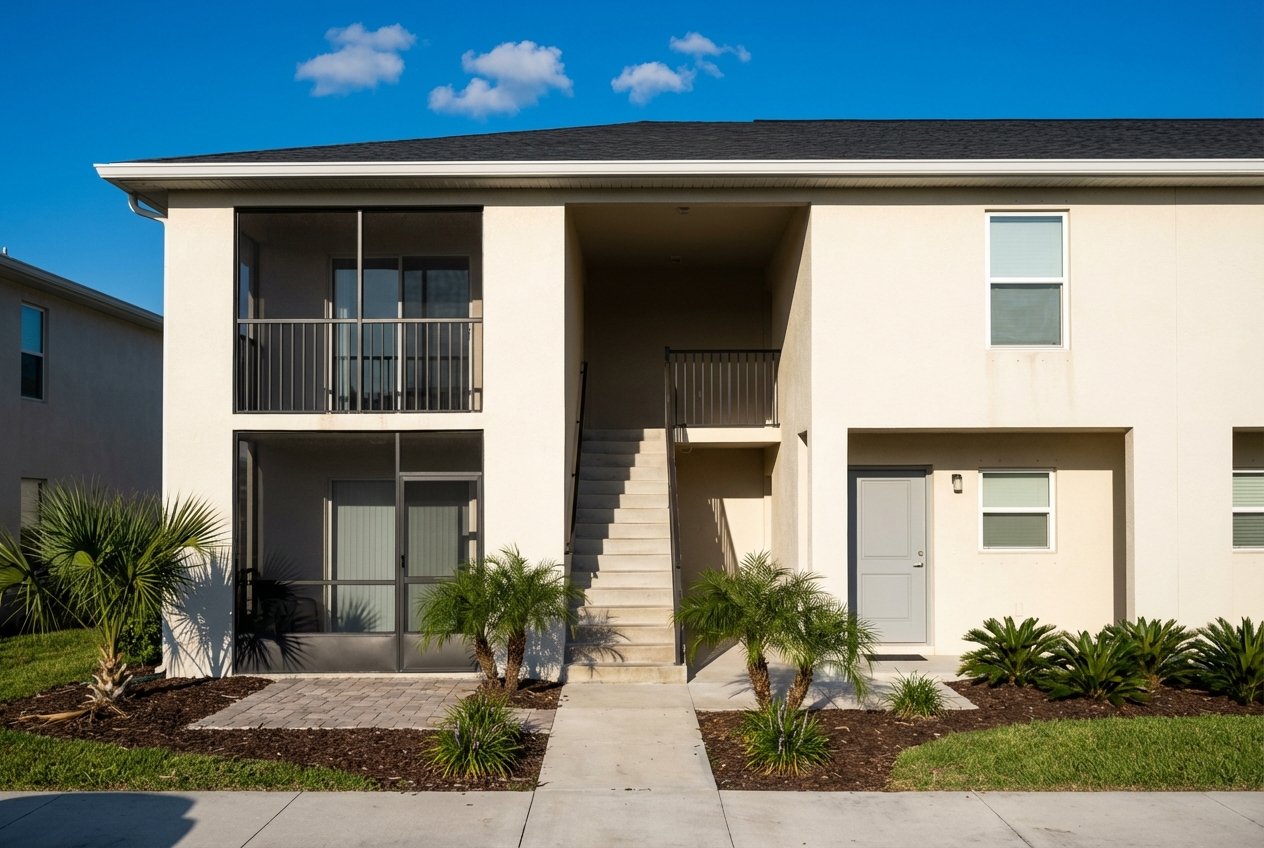
Debating between a low-maintenance St. Pete condo and the freedom of a single-family home? You’re not alone. The choice affects your monthly costs, financing options, insurance, and daily lifestyle. In this guide, you’ll see how condos and houses stack up in St. Petersburg so you can pick the path that fits your budget and the way you want to live. Let’s dive in.
Quick market snapshot
Prices and trends shift each year, but a few patterns are consistent in St. Pete. Citywide, late 2025 summaries put the median home price around the mid $400Ks. In Pinellas County, 2025 snapshots showed single-family medians in the low to mid $400Ks and condos closer to the mid $200Ks. That price gap often makes condos a lower entry point. Your total monthly cost, however, also includes HOA fees, insurance, taxes, and any flood coverage.
Condo inventory has often run higher than single-family in recent years, which can translate to more selection in certain months. Always compare current data when you start your search, since year-to-year changes can be meaningful.
Cost breakdown: what you’ll really pay
Monthly housing cost is more than the purchase price. Here’s what to plan for in St. Pete.
HOA fees and amenities
- Condos: Fees vary widely based on building age, amenities, height, and location. Older low-rise buildings commonly range around $300 to $750 per month. Many mid-rise or downtown buildings range about $500 to $1,300 per month. High-service or luxury waterfront towers can exceed $1,000 to $2,000 per month.
- Single-family homes: You might have no HOA or a modest one if you’re in a planned community. You will budget directly for your own roof, exterior, yard, pool, and systems.
Insurance basics
- Condos: The association carries a master policy for common areas and building structure, while you carry an HO-6 policy for your interior and personal property. Master policy premiums have tightened in Florida, which can affect HOA fees and assessments. Learn how coverage boundaries work by reviewing a plain-English overview of condo and HOA insurance responsibilities in this condo insurance explainer.
- Single-family: You carry a homeowners policy and, if in a FEMA Special Flood Hazard Area, separate flood insurance. Coastal homes face wind and hurricane deductibles, but you control mitigation choices like impact windows and roof upgrades. Get a quick primer on Florida-specific coverage in this insurance essentials overview.
Flood considerations
- Many St. Pete properties are in mapped flood zones where flood insurance is required for mortgages. Check the FEMA map for any address and request an elevation certificate if available. Start here: FEMA Map Service Center.
Property taxes
- Pinellas County’s Homestead Exemption and Save Our Homes cap can limit future tax increases for owner-occupants after you establish homestead. When a property changes hands, assessed value often resets, so your first-year bill can differ from the seller’s. Get details on rules and deadlines from the Pinellas County Property Appraiser.
Maintenance and who handles what
Condos: shared responsibility, shared risk
- You typically insure “walls-in,” while the association maintains exteriors, elevators, roofs, and common areas. This shifts labor off your plate but introduces shared risk for big-ticket items through HOA fees and potential special assessments. See a clear breakdown of how condo master and unit policies usually split coverage in this HOA insurance guide.
Single-family: more control, more direct costs
- You control timing and vendors for exterior work, but you also pay for it directly. A conservative planning rule is to set aside about 1 to 3 percent of the home’s value per year for maintenance and replacements, with older homes possibly higher. Review a straightforward budgeting explainer here: how to estimate true homeownership costs.
Florida condo laws you should know
After the Surfside tragedy, Florida adopted milestone inspections and reserve requirements for 3-story-and-taller condo and co-op buildings.
- Milestone inspections: Buildings at 3 habitable stories or more must undergo structural milestone inspections at 30 years of age, or 25 years in some coastal areas, and every 10 years thereafter. Read the statute text in Florida Statute 553.899.
- Structural Integrity Reserve Study (SIRS): Associations must complete reserve studies for key structural components and begin funding reserves accordingly. State guidance and buyer disclosure requirements are summarized in the DBPR condo FAQs.
Real-world impact: Some associations have identified repair needs and increased reserves, which can mean higher fees or special assessments. Reporting shows compliance timelines and outcomes have varied across Florida buildings, which is a buyer risk to review during due diligence. For context, see this local reporting on inspection compliance and owner impacts.
Financing differences that can affect your choice
- Warrantable vs non-warrantable: Lenders and the GSEs classify condo projects by criteria like owner-occupancy, reserves, litigation, and commercial space. Non-warrantable projects can restrict conventional financing or push buyers to specialty loans. Ask your lender early whether a building is warrantable and how that affects rate and down payment. Learn the key points in this overview of non-warrantable condos.
- Pending work: If a building has significant repairs pending, some lenders may pause or require more cash to close. Older condos can be more sensitive to these issues, so get lender eyes on the project early in your search.
Lifestyle fit: where each shines in St. Pete
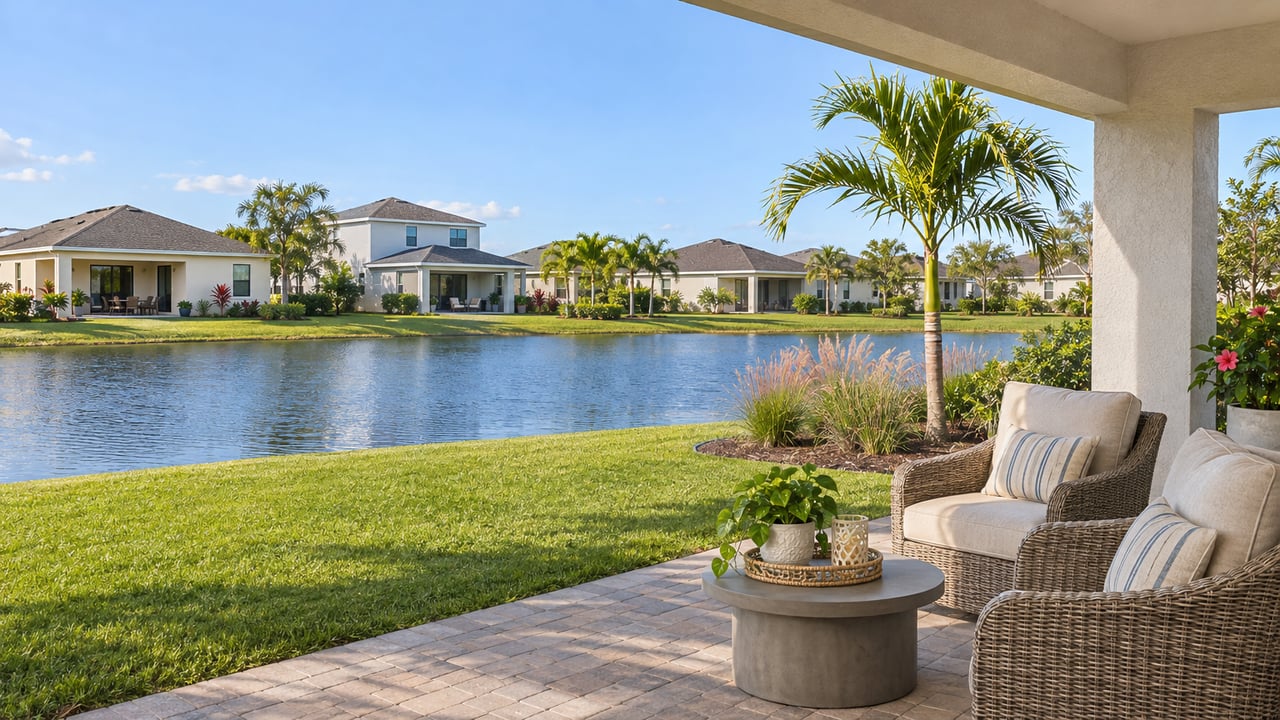
- Condos: You’ll find many options downtown and along the waterfront and barrier islands. These appeal if you value walkability to dining and arts, on-site amenities such as a pool or fitness center, and minimal day-to-day maintenance. Waterfront buildings often carry higher HOA fees tied to insurance and building upkeep.
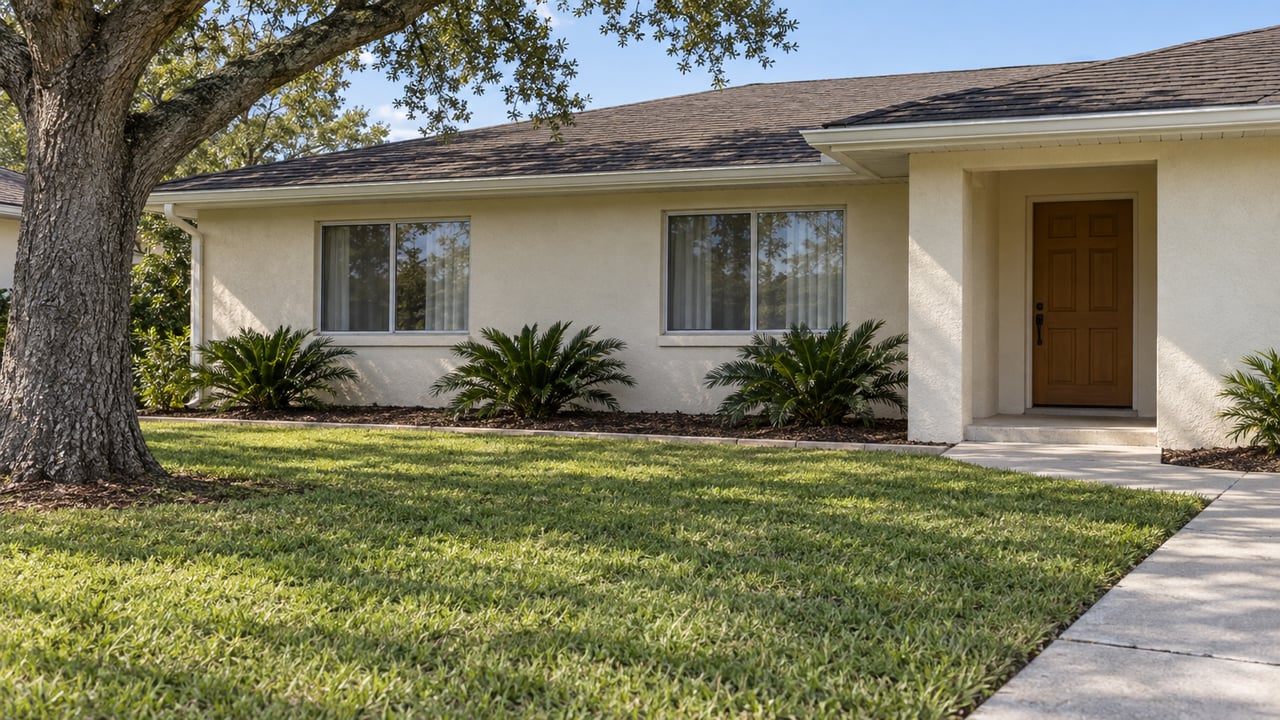
- Single-family homes: Neighborhoods like Old Northeast, Snell Isle, and many inland areas offer detached homes with yards, privacy, and room for outdoor living. These fit buyers who want control over exterior style, space for hobbies or pets, and the ability to customize.
Short-term rentals: rules to check first
- County-level: In unincorporated Pinellas County, short-term rentals under 30 days more than three times per year require a Certificate of Use, inspection, and adherence to occupancy and parking rules. Read the county program details at the Pinellas County STR page.
- City and community rules: The City of St. Petersburg and many HOAs or condo associations have stricter standards. If rental income matters to you, verify city zoning, permitting, and the community bylaws before you buy.
How to choose: a quick decision guide
Ask yourself:
- Do you prefer low daily maintenance or full control over a yard and exterior?
- Is your priority lower up-front price or maximum flexibility long term?
- How comfortable are you with shared financial risk through HOA fees and assessments?
- Will you need conventional financing in a condo building that must meet warrantable criteria?
- What is your flood exposure and insurance plan for the specific property you want?
Buyer due-diligence checklists
If you’re buying a condo
Request and review:
- Association budget and most recent audit or CPA review to understand reserves and fee stability.
- Structural Integrity Reserve Study and any Milestone Inspection reports; check timelines, recommended repairs, and estimated costs. See the law text in Florida Statute 553.899 and buyer disclosure guidance in the DBPR FAQs.
- Meeting minutes for the last 12 to 24 months for clues on litigation, repairs, or special assessments.
- Master insurance declaration page and recent premium history. High deductibles or big jumps can signal future assessments. For coverage boundaries, see this HOA insurance explainer.
- Declaration and bylaws for rental rules, occupancy, pet policies, and any age restrictions. If you plan to rent, confirm rules alongside the county STR program details.
- Any evidence of active litigation or code issues. Litigation can affect financing.
- Warrantability status with your lender. Review basics in this non-warrantable condo overview.
- Unit-level updates and system ages; for waterfront buildings, verify seawall condition and permits as applicable.
If you’re buying a single-family home
- Flood zone and elevation certificate if available; get flood quotes before you commit. Start with the FEMA Map Service Center.
- Roof, HVAC, plumbing, and electrical ages plus any deferred maintenance; budget using the 1 to 3 percent annual rule of thumb. See this homeownership cost guide.
- Property tax history and homestead status to estimate your first-year bill after transfer. Review Save Our Homes guidance.
Next steps
If you want walkable convenience and low daily upkeep, the right condo could be perfect once you confirm reserves, insurance, and project health. If you want freedom to customize, space, and direct control over maintenance, a single-family home may be the better fit. Either way, planning your budget around real insurance quotes, a realistic maintenance allowance, and verified HOA or project documents will help you buy with confidence.
Have questions about a specific building or neighborhood in St. Pete? Let our team walk you through the numbers and the fine print. Connect with the Diaz Group at eXp Realty to compare options, line up financing, and tour properties that match your lifestyle.
FAQs
Are condos really cheaper than houses in St. Petersburg?
- Condos often have lower purchase prices, but your monthly cost can match a house once you add HOA fees, insurance, taxes, and any assessments.
What Florida condo laws should I check before buying in St. Pete?
- Review milestone inspections and SIRS requirements for buildings 3 stories or higher, plus any completed reports and reserve funding under Florida Statute 553.899 and the DBPR FAQs.
How do flood zones affect buying near St. Pete’s waterfront?
- If a home or condo is in a FEMA Special Flood Hazard Area, lenders typically require flood insurance; verify the zone and get quotes using the FEMA Map Service Center.
What makes a condo “non-warrantable,” and why does it matter?
- Projects with issues like low reserves, high delinquencies, litigation, or too much commercial space may be non-warrantable, which can limit conventional financing; see this overview of non-warrantable condos.
How much should I budget for a single-family home’s upkeep in St. Pete?
- A common rule of thumb is 1 to 3 percent of the home’s value per year for maintenance and replacements, with older homes possibly higher; see this cost planning guide.