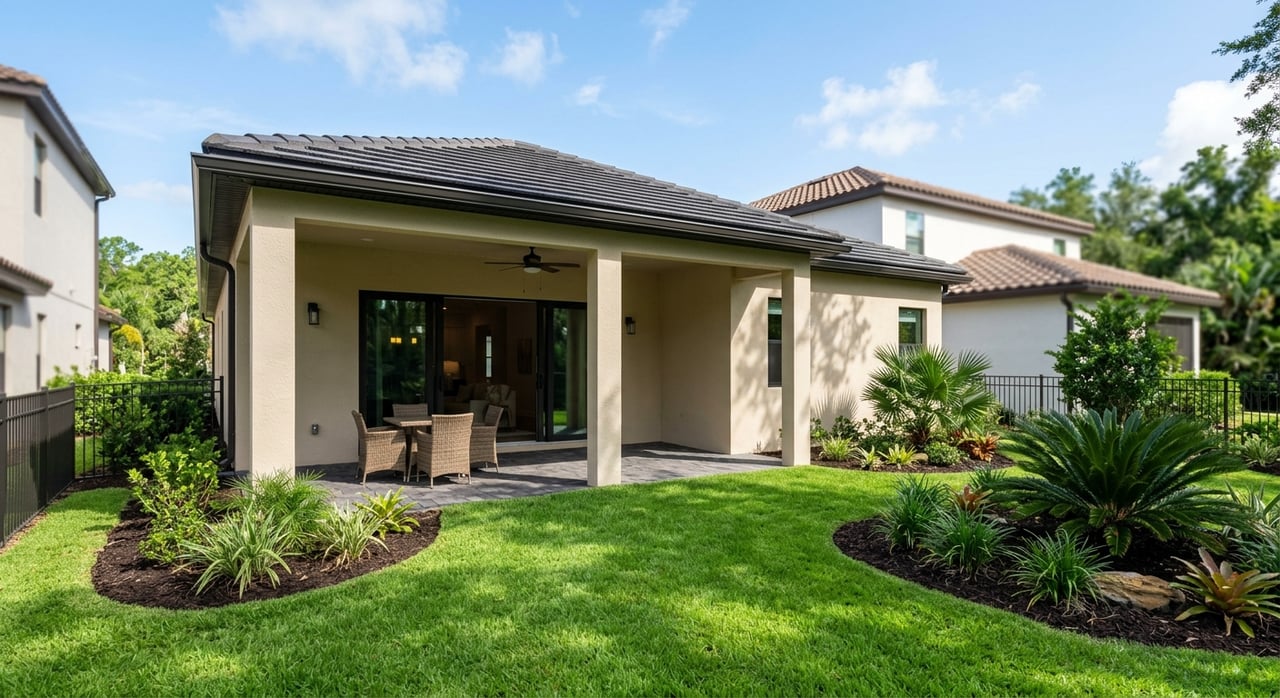
Thinking about buying a brand-new home in Zephyrhills? You are not alone. With new communities opening across this growing part of Pasco County, many buyers are weighing the appeal of modern floor plans, builder incentives, and lower-maintenance living against longer timelines and upgrade costs. This guide will help you understand how new construction works in Zephyrhills, what can affect your final price, and where the biggest tradeoffs show up so you can make a smarter move. Let’s dive in.
Why new construction is growing in Zephyrhills
Zephyrhills has been seeing steady growth, and that helps explain why new construction is such a big part of the local housing conversation. The U.S. Census Bureau estimated the city’s population at 22,304 in 2024, which is up 29.5% from the 2020 Census count.
Pasco County is growing too. Countywide population estimates reached 659,114 in 2024 and 674,516 in 2025, and the county recorded 6,765 building permits in 2024. Local planning documents also identify the SR 54 corridor as a development corridor with new residential growth, while noting that Zephyrhills remains more rural than western Pasco.
For you as a buyer, that means there is not just one type of new construction in Zephyrhills. You can find townhomes, smaller single-family homes, and larger move-up homes, depending on your budget and priorities.
What you can buy in Zephyrhills
One of the biggest advantages of shopping new construction here is the range of options. Some communities aim for entry-level affordability, while others focus on amenities, larger homes, or more included features.
For example, KB Home’s Chapel Manor opened in late 2025 with pricing from the high $200,000s and no CDD fees, according to KB Home’s community announcement. Lennar’s The Townes at Crystal Brook offers low-maintenance townhomes priced around $262,740 to $285,740.
At a higher price point, Lennar’s Two Rivers community is actively selling from the $400s and includes amenities such as a clubhouse, pool, bocce ball, pickleball courts, and a dog park. Pulte’s Riverwood community includes larger single-family homes starting at $537,990 and $599,990, while D.R. Horton’s Two Rivers page shows homes from the $450s.
That variety matters because your decision is not only about the builder. You are also comparing monthly costs, amenities, homesite size, included features, and how much customization you want.
New construction timeline in Zephyrhills
A brand-new home usually takes longer than buying resale, even when the process feels streamlined. The exact timeline depends on the builder, home type, supply conditions, and local approvals.
According to KB Home’s homebuilding timeline guide, average build time is four to five months from start to completion, and early pre-construction steps can take 30 to 50 days. D.R. Horton reports that most of its homes were completed in two to five months in fiscal 2024, while also noting that weather, labor, materials, and permitting can affect schedules.
A simple way to think about the process is this:
- Choose the community and floor plan
- Complete financing and contract paperwork
- Make design or structural selections
- Move through framing, inspections, and construction stages
- Attend orientation and walkthrough meetings
- Close and get your keys
Builders may organize these stages a little differently. Pulte, for example, uses milestone meetings that can include a field manager meeting, pre-drywall orientation, pre-closing orientation, and final celebration. Lennar says the final walkthrough usually happens about a week after the new-home orientation and close to closing.
Why timelines can change
Even in a well-run community, new construction is a staged process with moving parts. It helps to go in expecting progress, not perfection.
The City of Zephyrhills’ new-construction permit checklist shows how many items must be completed as part of the process. Requirements include a completed application, notice of commencement, Florida Energy Efficiency Form, plot plan, property survey, engineered building prints, verification of water and sewer service, and payment of the annual solid waste assessment before a certificate of occupancy.
That does not mean you need to manage every permit detail yourself. It does mean that a builder’s estimated completion date is just that, an estimate. Weather, labor availability, material delivery, inspections, and municipal steps can all shift the schedule.
Upgrades that change the real price
The model home look is exciting, but it can also blur the difference between base price and total price. This is where many buyers get surprised.
Builders often advertise a starting price, but that number usually does not include every option shown in the sales center or model. KB Home notes that base prices do not include optional features, upgrades, homesite premiums, exterior elevation upgrades, or association fees, and that prices and features can change without notice. Lennar’s community pages also note that prices and features may vary.
In other words, two buyers can choose the same floor plan and end up with very different final prices. The difference usually comes down to upgrades, lot choices, and financing terms.
Common upgrade categories
If you are comparing communities, these are the upgrade areas to watch most closely:
- Homesite or lot premiums
- Exterior elevation choices
- Structural changes
- Kitchen packages
- Bath finishes
- Flooring and lighting
- Smart-home features
- Outdoor living features
KB Home’s Design Studio lets buyers choose flooring, countertops, cabinets, lighting, and appliances with help from a design consultant. Pulte’s Design Centers use a curated approach, and its Riverwood homes include a smart-home package with features like a video doorbell, smart thermostat, garage door opener, and app service. Lennar often emphasizes more features included in the base home instead of making as many items optional.
Included features vs add-ons
This is one of the biggest tradeoffs between builders. Some builders may have a lower advertised base price but charge more for upgrades. Others may start higher but include more from day one.
That is why you should compare the all-in cost, not just the starting number on the website. Look at the base price, lot premium, design selections, HOA or association fees, and any lender-related incentives before deciding which deal really fits your budget.
Builder incentives can help or mislead
Builder incentives can be useful, but only if you look at the full picture. A lower interest rate offer or closing cost credit may help your monthly payment, yet it may not offset a higher purchase price or upgrade package.
Lennar promotes special offers through Lennar Mortgage, and Pulte markets select rate offers on certain to-be-built homes and quick move-in inventory. That means the sticker price is only one piece of the math.
When you compare options, ask questions like:
- What is included in the base price?
- What incentives require using the builder’s preferred lender or title company?
- How much cash do upgrades add at closing?
- Is a quick move-in home priced differently from a to-be-built home?
These questions can help you compare homes more accurately, especially if your budget is tight or your move depends on a target monthly payment.
Why representation still matters
Some buyers assume they do not need an agent when buying from a builder. In practice, many buyers still want representation.
The National Association of Realtors reports that 88% of home purchases were made through a real estate agent or broker, while 5% were purchased directly from a builder or builder’s agent. It also reports that 15% of buyers purchased a new home.
Builder rules matter here. KB Home says broker commission eligibility requires first-visit registration, a signed Written Buyer-Broker Agreement, and that the agreement must predate the purchase contract. The practical takeaway is simple: if you want your own representation, connect with your agent before you visit or sign anything with the builder.
For remote and relocation buyers, this can be especially important. Some builders, including KB Home, note that parts of the process may allow live video tours and electronic contracting in some cases, which can be helpful if you are moving from outside the area.
Contracts, inspections, and warranties
New construction contracts are different from resale, and you should read them carefully. The details matter more than the brochure.
Important items to review include:
- The exact lot or homesite
- Included features versus paid upgrades
- Homesite premiums
- Estimated completion and closing language
- HOA or association fees
- Any CDD or special assessments
- Lender or title incentives
- Change-order deadlines
- Warranty terms and dispute-resolution language
Inspections still matter too. The National Association of Realtors recommends phase inspections, including foundation, pre-drywall, and final punch-out inspections. Pre-drywall is especially useful because it gives you a chance to inspect framing, wiring, plumbing, and ductwork before the walls are closed.
Warranties are helpful, but they are not unlimited. The Federal Trade Commission explains that builder warranties for newly built homes generally cover workmanship and materials for specific components, often with one-year coverage on many items, and that repair requests should be made in writing. The FTC also notes that temporary housing and other out-of-pocket costs during repairs are often not covered.
Florida law adds another layer. Effective July 1, 2025, Florida’s statutory builder warranty requires builders of newly constructed homes to warrant defects in equipment, materials, or workmanship that result in a material violation of the Florida Building Code for one year after title transfer or initial occupancy, unless the builder provides an express written warranty that is at least as protective.
New construction tradeoffs to consider
A new home can be a great fit, but it is not automatically the best fit for every buyer. The right choice depends on your timing, budget, and comfort with the process.
New construction may work well for you if you want modern layouts, energy efficiency, newer systems, and the ability to personalize finishes. It can also be appealing if you are open to waiting several months for completion.
Resale or quick move-in inventory may be worth a closer look if you need a faster move, want a more predictable all-in price, or prefer a finished lot and completed streetscape. In Zephyrhills, the smartest approach is usually matching the community, builder, timeline, and upgrade budget to your real priorities, not just chasing the lowest advertised starting price.
If you are weighing new construction in Zephyrhills, the right guidance can save you time, money, and stress. The Diaz Group at eXp Realty helps buyers compare communities, understand builder timelines, and navigate the details from contract to closing with clear communication every step of the way.
FAQs
How long does new construction usually take in Zephyrhills?
- Builder timelines vary, but sources in this report show many homes take about two to five months to build, with pre-construction steps often adding 30 to 50 days.
What upgrades affect the final price of a new construction home in Zephyrhills?
- The biggest price changes usually come from lot premiums, structural options, exterior elevations, kitchen and bath selections, flooring, lighting, smart-home features, and outdoor living upgrades.
Do you need a real estate agent when buying new construction in Zephyrhills?
- Many buyers still use an agent, and builder rules may require your agent to register with you on your first visit if you want representation tied to the purchase.
Are inspections important for a newly built home in Zephyrhills?
- Yes, phase inspections such as foundation, pre-drywall, and final punch-out inspections can help you catch issues before closing.
What should you review in a Zephyrhills new construction contract?
- Focus on the exact homesite, included features, upgrade costs, estimated completion language, HOA or association fees, any CDD or special assessments, incentives, warranty terms, and change-order deadlines.