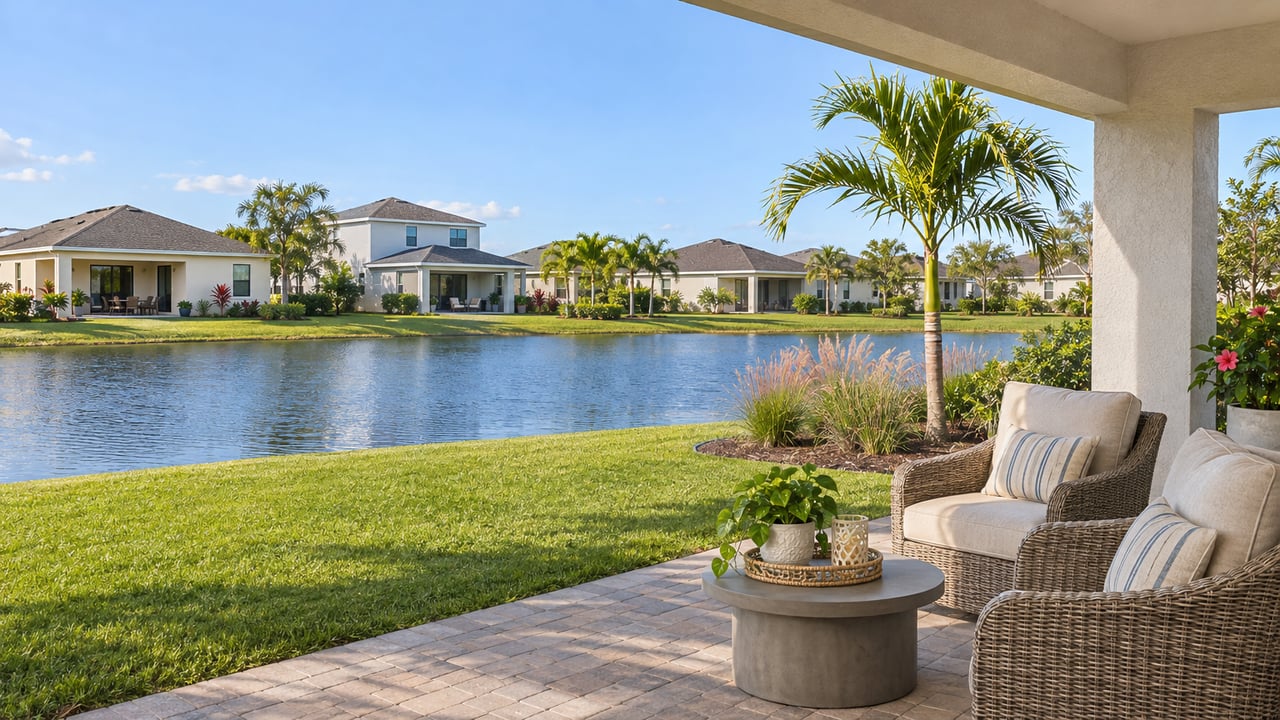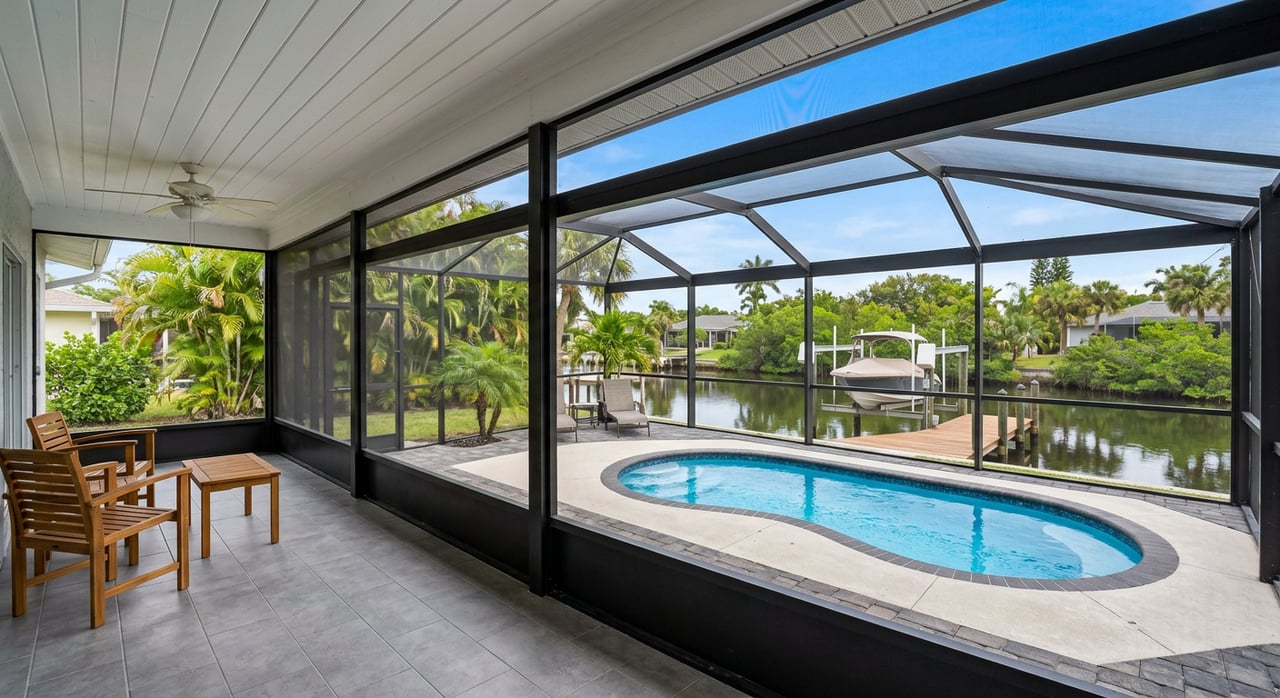
Picture stepping from your back patio onto your own dock, coffee in hand, with Tampa Bay just a short run away. If you are drawn to sunset cruises, early morning fishing, or paddle days in quiet mangrove cuts, Apollo Beach makes that lifestyle feel natural. In this guide, you will learn how the area’s canals work, what to look for in docks and lifts, how permits and protected waters affect your plans, and what daily life on the water really looks like. Let’s dive in.
Apollo Beach boating at a glance
Apollo Beach lines the south shore of Tampa Bay with miles of man-made canals and several waterfront communities. Many canal homes have private docks that offer direct routes to the bay. According to a regional waterfront guide, some boaters report minutes to open bay water and roughly 30 to 45 minutes to the Gulf of Mexico depending on route and speed, but your timing will vary with tides and your vessel size. You can review a helpful overview in this waterfront estates guide.
Wildlife and protected areas shape how you boat here. The warm-water outflow at the TECO facility draws manatees in cooler months, which is a major reason speed and no-wake zones are common around Apollo Beach. To get a feel for the local wildlife scene, read about the Tampa Electric Manatee Viewing Center. South of town, the Cockroach Bay area offers shallow paddling routes and birding, and parts of it carry preserve-level protections.
Local marinas and services keep life on the water simple. Many homeowners use Lands End Marina for fuel, repairs, or storage. You can confirm available services on the Lands End Marina fuel dock page. Apollo Beach Marina also offers a public ramp and docking.
Waterfront home options
Canal-front homes
Classic Apollo Beach canal neighborhoods and communities like Harbor Isles or Symphony Isles feature private seawalls and docks. Canal width, controlling depth, and turning room vary by street. Draft becomes the main limit for larger boats, so confirm actual depths on your route at low tide. For community context and amenities around Apollo Beach neighborhoods, see this quick neighborhood overview.
Planned communities with marinas
Master-planned communities such as MiraBay offer resort-style amenities and, in some cases, community marinas or reserved slips. HOA and CDD fees differ and can shape your boating experience, from slip access to rules about lifts and dock modifications. Review each community’s governing documents before you buy.
Bayfront lots
Open-bay homes often provide more depth and a quicker run to wide water. They also tend to come with higher purchase prices and more exposure to wind and wake. If you plan to keep a larger center console or cruiser, bayfront or the widest canals can offer better clearance and depth, but you still need to verify navigational details.
Docks, lifts, and water depth
Seawalls and condition
Most canal and bayfront properties include a seawall. A seawall’s age and condition are critical because replacement can be significant. Local guides note costs vary widely, from a few hundred dollars to more than a thousand per linear foot depending on materials, access, and site constraints. Always request a written seawall condition report from a marine contractor before you finalize a purchase, as advised in this waterfront estates guide.
Dock components that matter
Typical features include a walkway, terminal platform, finger piers, pilings, fendering, lighting, and power and water pedestals. The width of the walkway, size of the platform, and how far the structure can project into the water are often regulated. Florida guidance commonly limits walkways to about 4 feet and terminal platforms to about 160 square feet on many small residential docks, among other criteria. You can review commonly referenced standards summarized in this overview of environmental permits and dock limits.
Lifts and floating platforms
Boat lifts are popular in Apollo Beach because they reduce hull fouling and simplify maintenance. Lifts may require permits or be included with a dock permit depending on the design. Local marinas handle lift installation and service, and many owners schedule routine checks with their marina along with seasonal engine service. Lands End provides fueling and maintenance support for area boaters, as shown on the fuel and dock services page.
What deep water means here
Not all canals are the same. Some provide 4 to 6 feet at mean low water, which suits many center consoles but can limit deeper-draft vessels. Others are shallower. Verify the route from your dock to the bay during a low tide run or through a hydrographic survey. This is a standard step for many buyers evaluating boat-friendly homes, as noted in this waterfront estates guide.
Permits and protected waters
Who reviews your plans
In Hillsborough County, the Environmental Protection Commission of Hillsborough County (EPC) Wetlands Division is the primary local reviewer for many single-family marine projects. The EPC often coordinates state and federal reviews through a consolidated process. Start with the EPC if you plan dock, lift, or seawall work and review their guidance for homeowners on the EPC Wetlands Division page.
Port Tampa Bay holds authority over certain submerged lands within the port district. Projects on tidally influenced waters often interact with Port Tampa Bay rules, so check the Port Tampa Bay environmental permits page if your property sits in these areas.
State and federal rules
At the state level, the Florida Department of Environmental Protection regulates docks, dredge and fill, and activities on state-owned submerged lands. The state’s rules set thresholds for dock size and design, including walkway width and platform area, and impose requirements to protect seagrass. You can review a helpful summary of typical Florida criteria on this environmental permits overview.
Federally, the U.S. Army Corps of Engineers reviews work affecting waters of the United States. In Florida, many routine projects may qualify under the State Programmatic General Permit, which can streamline federal review. Eligibility must be confirmed. You can read about the SPGP framework in this USACE program attachment.
Aquatic preserves near you
Parts of the shoreline south of Apollo Beach fall within or near Cockroach Bay Aquatic Preserve. In aquatic preserves, dredging is restricted and docks must meet higher standards to avoid impacts to seagrass and habitat. If your parcel borders these waters, expect stricter design limits and added review time. Learn more on the Cockroach Bay Aquatic Preserve page.
Manatee zones and no-wake rules
Tampa Bay includes manatee protection zones and posted speed limits. These rules are enforced and change by area and season. Before you run a new route, check the FWC Tampa Bay marine zones map and follow all posted signs on the water.
Daily life on the water
Quick outings and routines
Many canal homeowners keep a small to mid-size boat on a lift for quick trips several times a week. You might fish a morning tide, then be back in time for lunch. If frequent use is your plan, confirm approach depth and turning room at your dock during low tide.
Fueling and service stops
Most owners fuel at local marinas before longer runs. Lands End offers a fuel dock and basic services for Apollo Beach boaters. You can confirm hours and offerings on the Lands End fuel page. For bigger jobs or haul-out needs, nearby yards in the region can handle service while you enjoy lift convenience at home.
Storm season prep
During hurricane season, plan ahead. Common steps include hauling or moving the boat to dry-stack if possible, raising lifts to a safe height, removing canvas and antennas, securing lines with chafing gear, disconnecting shore power, and documenting conditions for insurance. The University of Florida’s extension provides practical guidance in this coastal hurricane preparation post.
Dining and social spots
Waterfront dining is part of the rhythm in Apollo Beach. Circles Waterfront Restaurant is a well-known local spot for sunsets and seafood. You can view menus and setting on the Circles Waterfront site. Tiki bars and casual dockside hangouts around the bay create plenty of after-cruise options.
Costs, insurance, and upkeep
Costs vary widely based on location, dock design, and materials. Seawall repair or replacement often shows up in inspections and can be a major budget item, with ranges from a few hundred to more than a thousand per linear foot depending on site conditions and materials. Get a local marine-engineer or contractor report before you commit, as highlighted in this waterfront estates guide.
For docks and lifts, components like power pedestals, lighting, and mooring hardware add to the price and require ongoing maintenance. Because prices and timelines change, work with local marinas and marine contractors for current estimates and schedules.
On insurance, many waterfront properties fall within FEMA Special Flood Hazard Areas and may require flood coverage. Premiums depend on flood zone, elevation, and policy details. Start early by confirming your flood and evacuation zones and speaking with an insurance professional. Hillsborough County explains the difference between evacuation zones and flood zones on this county guidance page.
Buyer checklist for dock homes
Use this quick list to keep your search focused and practical.
- Confirm actual water access. Run a low-tide test from the dock to the bay and note controlling depths, fixed bridge clearances, and turning room. A regional waterfront estates guide explains why this matters.
- Order a marine-structural inspection. Ask for a written seawall and dock report, including pilings, electrical pedestals, and confirmation that structures match issued permits. Start with the EPC Wetlands Division for permit history questions.
- Check flood and evacuation zones. Review county maps and get preliminary flood quotes early. See Hillsborough’s evacuation vs. flood zones guide.
- Identify environmental overlays. If the property is near Cockroach Bay or known seagrass, expect stricter design rules and longer reviews. Learn more on the Cockroach Bay Aquatic Preserve page.
- Plan for marina support. If your dock or canal cannot handle your boat’s size or draft, line up a nearby marina for storage, fueling, or service. The Lands End Marina fuel page shows a common option used by local owners.
- Budget for ongoing upkeep. Set aside funds for dock and lift maintenance, potential seawall work, and professional surveys. Use current local estimates rather than national averages.
Ready to find the canal or bayfront home that fits your boating routine? Our team combines local knowledge with a process that makes inspections, permits, and coastal due diligence feel manageable. Reach out to the Diaz Group at eXp Realty to start your waterfront search today.
FAQs
Do I need a permit to build or replace a dock in Apollo Beach?
- In most cases yes. Small repairs or certain small single-family docks may fit exemptions, but you should verify your plan with the county’s EPC and review state criteria before you start. Visit the EPC Wetlands Division for guidance.
Can I keep a 40-foot boat in an Apollo Beach canal?
- It depends on the specific canal’s controlling depth, turning room, and any fixed bridge constraints. A low-tide test and a local marine survey are the best way to confirm suitability, as noted in this waterfront estates guide.
How long does it take to reach open Gulf water from Apollo Beach?
- Timing varies with route, speed, and conditions. Some sources note roughly 30 to 45 minutes from Apollo Beach to the Gulf after entering Tampa Bay, but your run time will vary. See the waterfront estates guide for context.
What design limits apply to residential docks in Florida?
- Common state criteria limit walkway width and terminal platform size and set rules to protect seagrass and state-owned submerged lands. Review typical limits summarized on this environmental permits overview.
Are there manatee or no-wake zones I should know about?
- Yes. Tampa Bay includes seasonal and year-round speed zones. Check the FWC Tampa Bay marine zones map before running new routes and follow posted signs.
How should I prepare my boat and dock for hurricane season?
- Secure or haul the boat, raise lifts to a safe height, remove canvas and antennas, protect lines with chafe gear, disconnect shore power, and document the boat’s condition. See the UF IFAS coastal hurricane preparation guide for a full checklist.